Short answer
A dental abscess is a pocket of pus caused by a bacterial infection at the tip of a tooth root or in the gum. It does not heal on its own: a dentist must remove the source of infection by draining it, performing root canal treatment or extracting the tooth. Antibiotics alone are not a permanent solution. Rapidly spreading facial swelling, fever, or difficulty swallowing or breathing needs emergency care immediately.
If a throbbing toothache is followed by swelling in your gum or cheek, the most likely cause is a dental abscess. An abscess is the body’s attempt to wall off a bacterial infection. Treated early, the tooth can often be saved; left untreated, the infection can spread to surrounding tissues.
What Is a Dental Abscess and What Causes It?
Inflammation develops when bacteria reach the inside of a tooth or deep into the gum. The two most common types are:
- Periapical (root tip) abscess: bacteria reach the tooth nerve (pulp) through deep decay, a fracture or a crack. The nerve dies and infection collects in the bone around the root tip.
- Periodontal (gum) abscess: in advanced gum disease, bacteria build up in deep pockets between the tooth and gum and cause gum swelling.
Large old fillings, previous root canal treatments, teeth that have suffered a blow and partially erupted wisdom teeth can also set the stage for an abscess.
What Are the Symptoms of a Dental Abscess?
- Throbbing pain that gets worse when chewing or touching the tooth
- Pain spreading to the ear, jaw or neck
- A pimple-like bump on the gum; a bad taste in the mouth if it bursts
- Swelling of the gum, cheek or under the jaw
- Strong sensitivity to hot and cold
- Fever, feeling unwell and swollen glands under the jaw
Pain may ease suddenly when an abscess drains. This does not mean the infection has gone; it will return unless the source is treated.
When Is It an Emergency?
Go to a hospital emergency department or call emergency services (112 in Türkiye) without waiting for a dental appointment if you have:
- Rapidly growing swelling of the face, under the eye or in the neck
- Difficulty swallowing, speaking or breathing
- High fever and feeling very unwell
- Swelling or muscle spasm that stops you opening your mouth
How Is a Dental Abscess Treated?
The aim is to remove the source of infection and save the tooth where possible. After an examination and X-ray, the dentist will use one or more of these options:
| Treatment | When is it used? | Purpose |
|---|---|---|
| Drainage | Marked pus and swelling | Relieve pressure and pain quickly |
| Root canal treatment | The tooth can be restored | Clean the infected nerve and keep the tooth |
| Cleaning the gum pocket | Periodontal abscess | Remove bacteria and tartar from the pocket |
| Extraction | The tooth is too damaged to save | Remove the source of infection completely |
Antibiotics are added at the dentist’s discretion when the infection is spreading, there is a fever or the patient’s immune system is weakened. Used on their own they only suppress symptoms for a while; because the source remains, the abscess usually comes back.
What Can You Do Until You See a Dentist?
- Take painkillers as directed on the leaflet; ask a pharmacist first if you take other medicines or have a chronic condition.
- Rinse gently with warm salt water.
- Avoid chewing on the painful side and eat soft food.
- Apply a cold compress to the outside of the face for short periods.
Avoid: trying to burst the abscess with a needle or similar object, applying heat to the face, placing aspirin on the tooth and taking leftover antibiotics without a dentist’s advice.
How Can You Prevent a Dental Abscess?
- Brush twice a day with fluoride toothpaste and clean between your teeth daily
- Treat decay early with a white filling
- Do not ignore bleeding or receding gums
- Have teeth that took a knock or changed colour checked
- See your dentist every 6–12 months, including scale and polish when needed
Abscess and Dental Infection Treatment at Defne Prime Dent
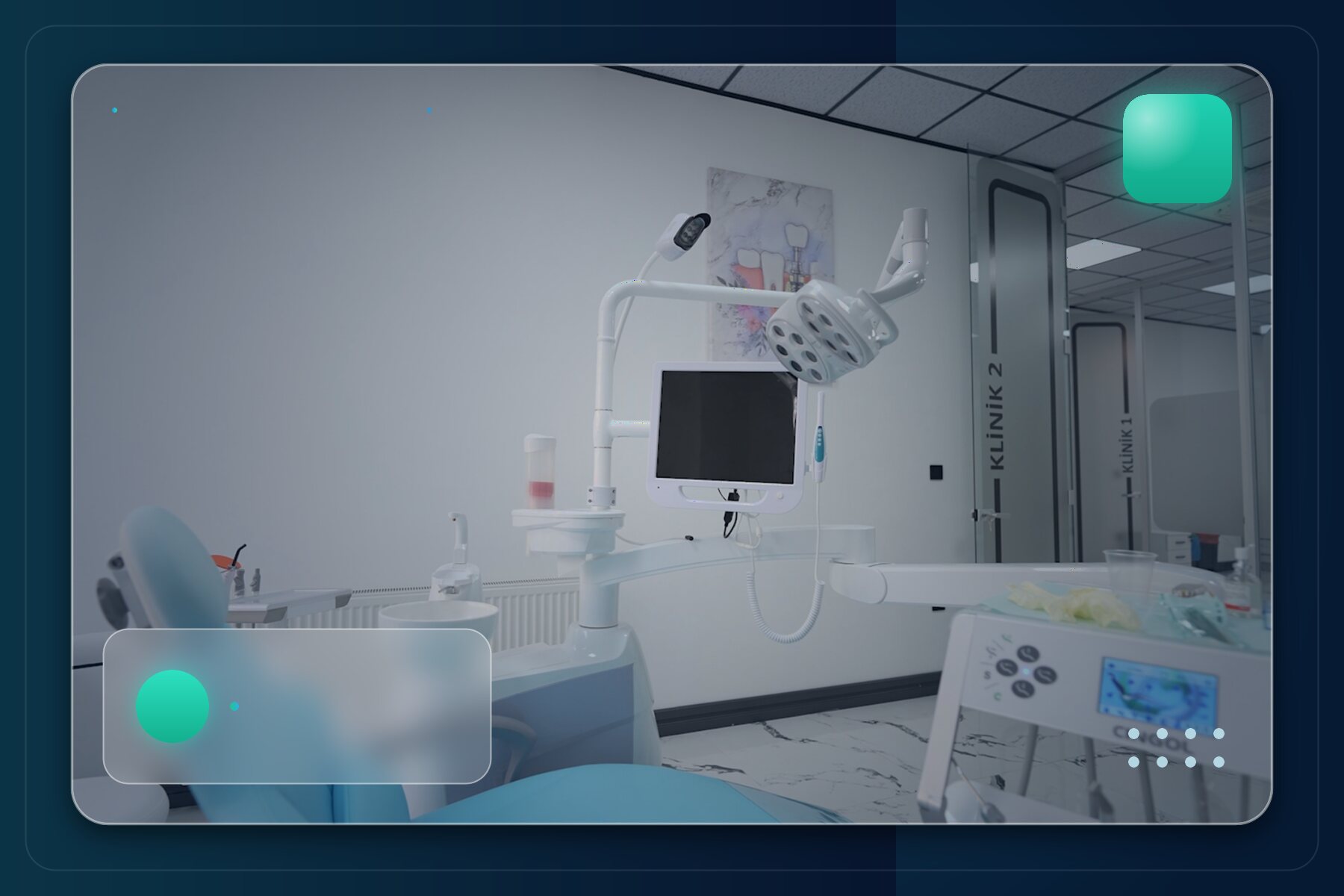
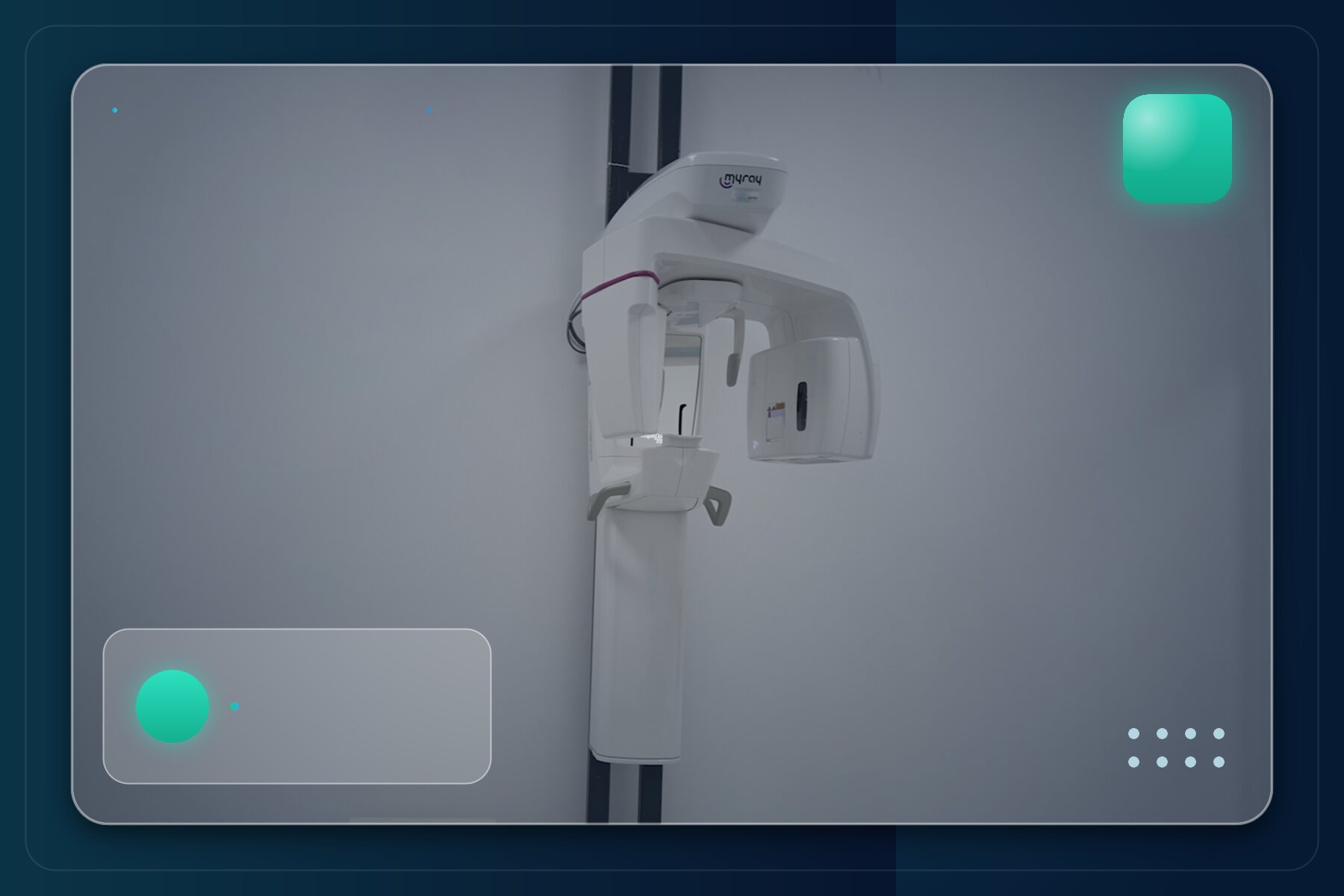
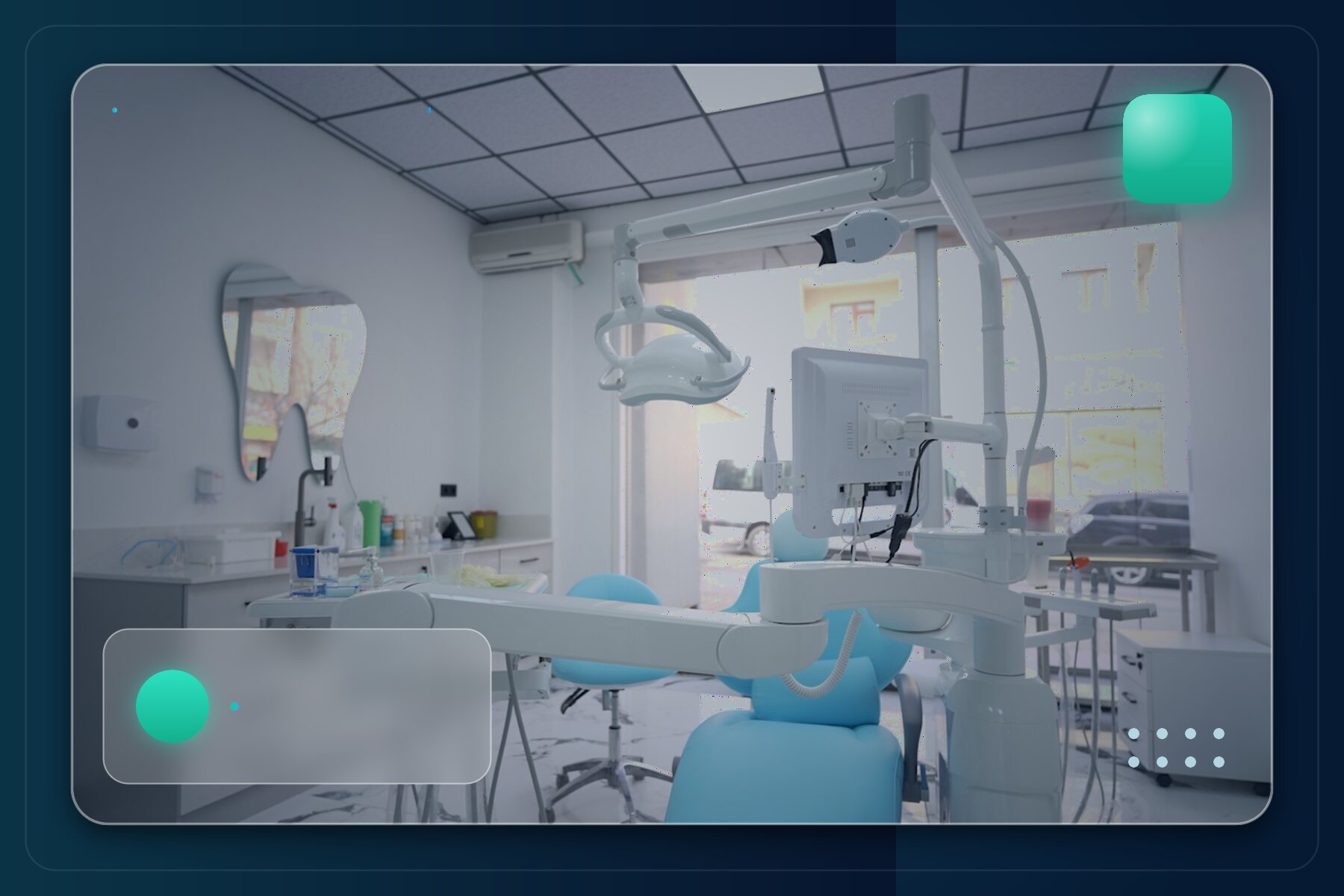
Our clinic in Ferhatpaşa, Ataşehir (Istanbul) is open every day from 10:00 to 23:00. We aim to see patients with severe pain or swelling on the same day and plan treatment after identifying the source with a digital X-ray. Read more on our dental infection treatment page or contact us for an appointment. If your pain has only just started, our guide to toothache relief and emergency signs may also help.
Frequently Asked Questions
Does a dental abscess go away on its own?
No. Pain may ease when the abscess bursts, but unless the source is treated, pus builds up again and gradually damages the surrounding bone.
Can a tooth with an abscess be extracted?
In most cases, yes. If there is widespread swelling and limited mouth opening, the dentist may first control the infection with drainage or medication. If the tooth can be restored, root canal treatment is preferred over extraction.
Are antibiotics alone enough?
No. Antibiotics limit the spread of infection but do not clean the source inside the tooth or the gum pocket. A lasting cure needs drainage, root canal treatment, pocket cleaning or extraction.
Can a dental abscess be treated during pregnancy?
Yes. An untreated infection can be risky for both mother and baby, so abscesses are treated during pregnancy too, with methods and medicines suited to the stage of pregnancy. See our article on dental treatment during pregnancy.
Can a root-canal-treated tooth get an abscess?
Yes. Bacteria left in the canals, a new crack or a leaking filling can cause the infection to return. Re-treatment of the root canal or a surgical procedure is then considered.