Short answer
A mouthguard is recommended for sports with a risk of contact or falls, such as football, basketball, martial arts, hockey, cycling and skateboarding. Custom mouthguards made by a dentist from an impression give the best fit and protection. If a permanent tooth is knocked out, hold it by the crown, not the root, do not scrub it, put it back in place if possible or keep it in milk, and see a dentist immediately.
Dental injuries are common, especially in children and young people, and many happen during sport. Broken, displaced or knocked-out teeth can cause aesthetic and functional problems and lead to long, costly treatment. A simple mouthguard greatly reduces these risks.
Which Sports Need a Mouthguard?
- Contact and combat sports: boxing, kickboxing, taekwondo, karate, judo, wrestling, MMA
- Team sports: football, basketball, handball, rugby, hockey, water polo
- Sports with a risk of falling: cycling, skateboarding, skating, skiing, snowboarding, horse riding
- Racket and stick sports: squash, baseball, lacrosse
The American Dental Association recommends a mouthguard for any sport with a risk of impact or falls.
Types of Mouthguard
| Type | Pros | Cons |
|---|---|---|
| Stock (ready-made) | Cheap, ready to use | Loose fit, can make breathing and talking harder, limited protection |
| Boil-and-bite | Softened in hot water and shaped to the teeth, better fit | Uneven thickness, loses shape over time |
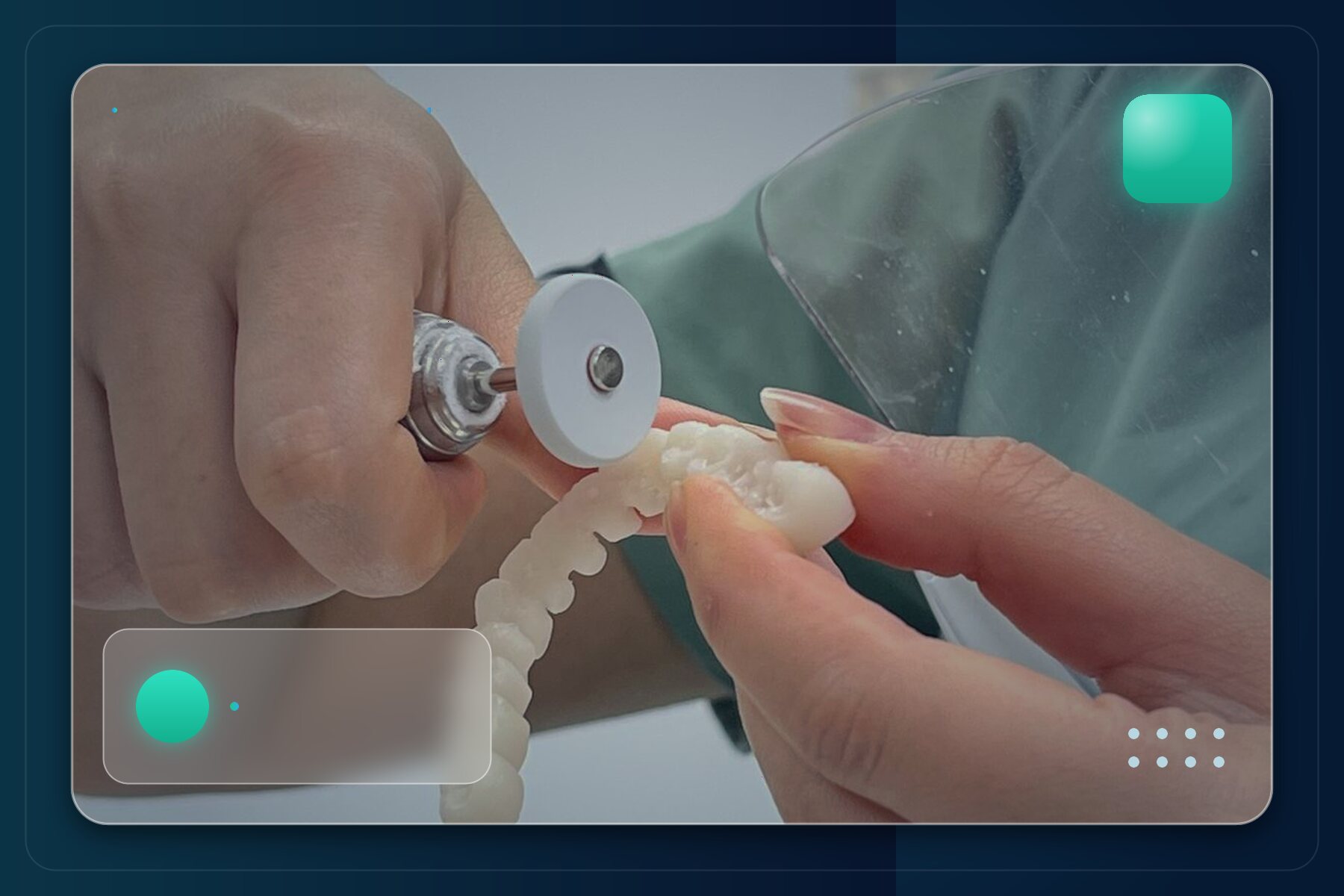
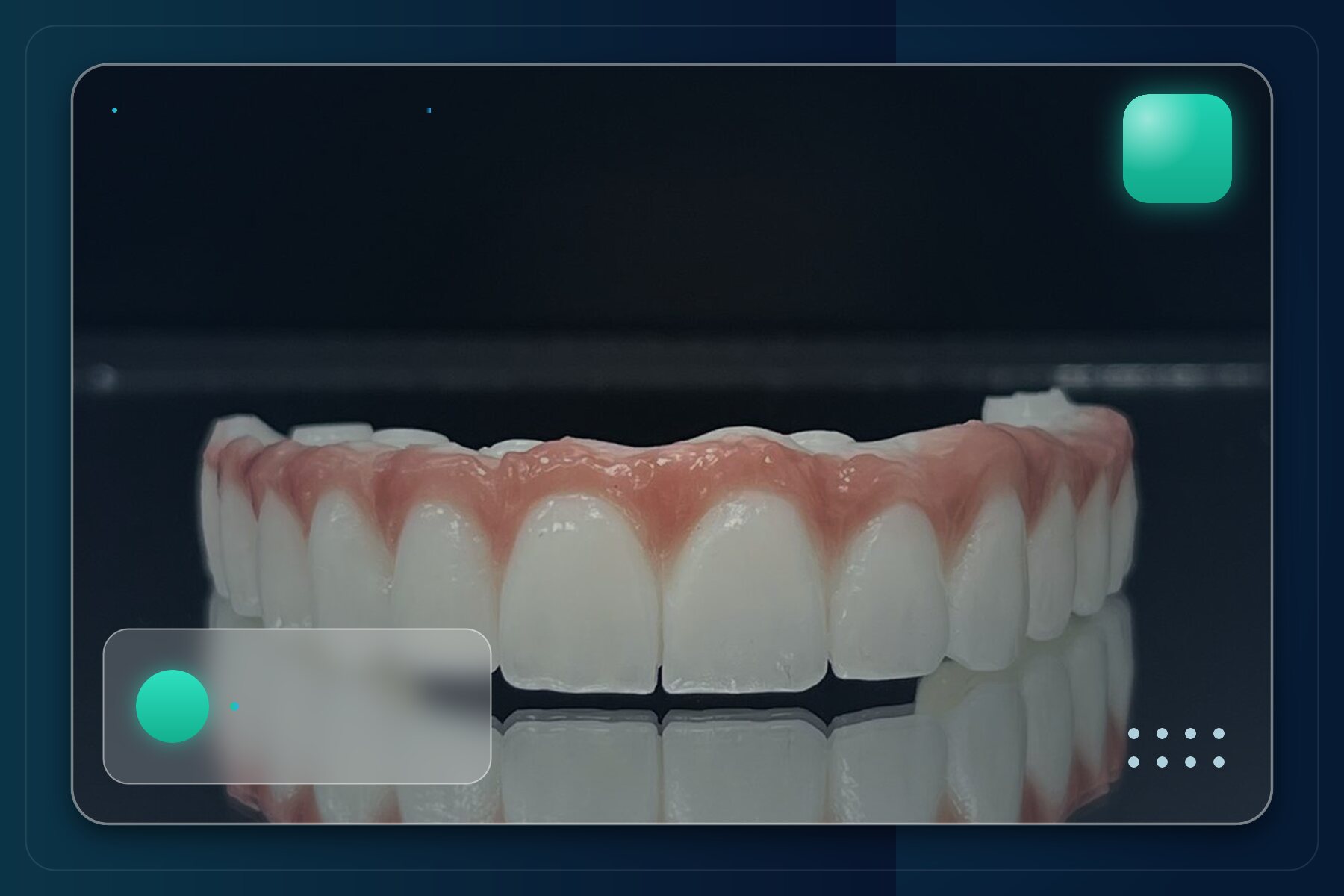
| Custom (made by a dentist) | Made from an impression; best fit, comfort and protection; less effect on speech | More expensive, takes a few days to make |
See our mouth guards page for custom options. Night guards for clenching and grinding are designed for a different purpose.
What Should People With Braces Do?
With fixed braces, a blow can injure the teeth and cause the brackets to cut the lips and cheeks. Special orthodontic mouthguards that cover the brackets are used, and their fit should be checked regularly because the teeth are moving. Clear aligner users should wear a separate mouthguard instead of their aligner for contact sports; ask your orthodontist which option suits you.
If a Tooth Is Injured During Sport: First Aid
If a permanent tooth is knocked out
- Find the tooth and hold it only by the crown (the white part); do not touch the root.
- If dirty, rinse it gently for a few seconds in milk or saline; do not scrub, rub or dry it.
- If possible, push it straight back into its socket and bite on a clean cloth to hold it.
- If you cannot replant it, keep it in milk (or in the person’s own saliva inside the cheek – only for adults with no risk of swallowing it). Do not store it in water.
- See a dentist without delay; the chance of saving the tooth is highest within the first 30–60 minutes.
Baby teeth should not be put back, as this can damage the permanent tooth developing underneath; an examination is still needed.
If a tooth is broken
Find the broken piece, keep it in milk or water and see a dentist the same day. The fragment can often be bonded back. See our article on a broken or cracked tooth.
When to go to the emergency department
Go to a hospital first if there is a head injury, loss of consciousness, vomiting, a deformed jaw, a changed bite or bleeding that will not stop.
Looking After Your Mouthguard
- Rinse in cold water after each use and clean it a few times a week with a soft brush and soap.
- Store it in a ventilated case; do not leave it in the sun or a hot car.
- Do not chew or cut it – a misshapen guard protects less.
- Children and teenagers need new guards as their teeth and jaws grow; replace a torn or loose guard.
Custom Mouthguards at Defne Prime Dent
At our clinic in Ataşehir, Istanbul, we make custom mouthguards from impressions for athletes and choose guards for orthodontic patients according to their treatment plan. For sports injuries, you can reach us every day, including weekends, from 10:00 to 23:00 – contact us.
Frequently Asked Questions
Does a mouthguard make breathing harder?
Loose stock guards can make breathing and talking harder. Custom guards fit the teeth closely, take up less room in the mouth and largely solve this problem.
From what age should children wear a mouthguard?
There is no age limit; it is recommended for any child who starts a sport with regular contact or falls. Guards need replacing more often while baby teeth are changing to permanent teeth.
How often should a mouthguard be replaced?
For adults it should usually be checked each season and replaced if it is torn, thin or loose. Growing children need replacements more often.
How soon must a knocked-out tooth be put back?
The sooner the better: every minute the tooth stays dry outside the mouth damages the cells on the root surface. Ideally replant it within minutes, or keep it in milk and reach a dentist as quickly as possible.