Short answer
The most important early warning sign of mouth cancer is a sore that has not healed after three weeks, or white or red patches in the mouth that do not go away. Lumps or thickening in the mouth or neck, unexplained numbness, loose teeth and difficulty swallowing should also be checked. Tobacco and alcohol are the main risk factors. Most of these signs have non-cancer causes, but only an examination – and a biopsy if needed – can tell for sure.
Mouth (oral) cancer can develop on the lips, tongue, inner cheeks, floor of the mouth, palate and gums. The World Health Organization lists oral cancer among the common cancers worldwide. Because it is often painless at first, it can be missed – which makes regular dental check-ups a valuable chance for early detection.
Early Signs of Mouth Cancer
- A sore in the mouth or on the lip that has not healed in 3 weeks
- A white patch (leukoplakia) or red patch (erythroplakia) that does not wipe off
- A lump, hardening or thickening in the mouth, lip or neck
- Unexplained numbness of the tongue, lip or chin
- Teeth that become loose for no clear reason, or a socket that does not heal after an extraction
- Difficulty swallowing, chewing or speaking; restricted tongue movement
- Dentures that suddenly stop fitting
- Hoarseness or a constant feeling of something stuck in the throat
Most of these have harmless causes such as ulcers, injury, fungal infection or denture rubbing. What matters is having any change that does not go away on its own checked without delay. See also our article on mouth ulcers.
Risk Factors for Mouth Cancer
| Risk factor | Notes |
|---|---|
| Tobacco | Cigarettes, cigars, pipes, shisha and smokeless tobacco are the main risk factor. |
| Alcohol | Combined with tobacco, the risk multiplies. |
| HPV infection | Linked especially to cancers of the tonsils and base of the tongue (oropharynx). |
| Sunlight | Long unprotected sun exposure raises the risk of lower-lip cancer. |
| Age | Risk increases with age, though it can occur in younger people. |
| Weakened immune system | For example, medicines taken after an organ transplant. |
For the other effects of smoking on the mouth, see smoking and oral health.
How Is Mouth Cancer Checked at a Dental Examination?
- The lips, inner cheeks, gums and palate are inspected.
- The tongue is extended to check its top, sides and underside.
- The floor of the mouth and cheeks are felt for hardness.
- The lymph nodes in the neck and under the jaw are examined.
If something looks suspicious, it is rechecked within a few weeks or a biopsy is arranged. Cancer can only be diagnosed with a biopsy; appearance alone is not enough.
A Monthly Self-Check
In front of a mirror in good light – with dentures removed if you wear them – look at your lips, inner cheeks, the top, sides and underside of your tongue, your palate and your neck. Show your dentist or doctor any new change that does not go away within 2–3 weeks.
Reducing Your Risk
- Stop using tobacco and limit alcohol.
- Protect your lips from the sun with a lip balm containing sunscreen.
- Eat plenty of vegetables and fruit.
- Ask your doctor about HPV vaccination if you are in an eligible age group.
- Have sources of constant irritation, such as a sharp tooth or ill-fitting denture, corrected.
- See your dentist at least once a year.
Oral Examination at Defne Prime Dent
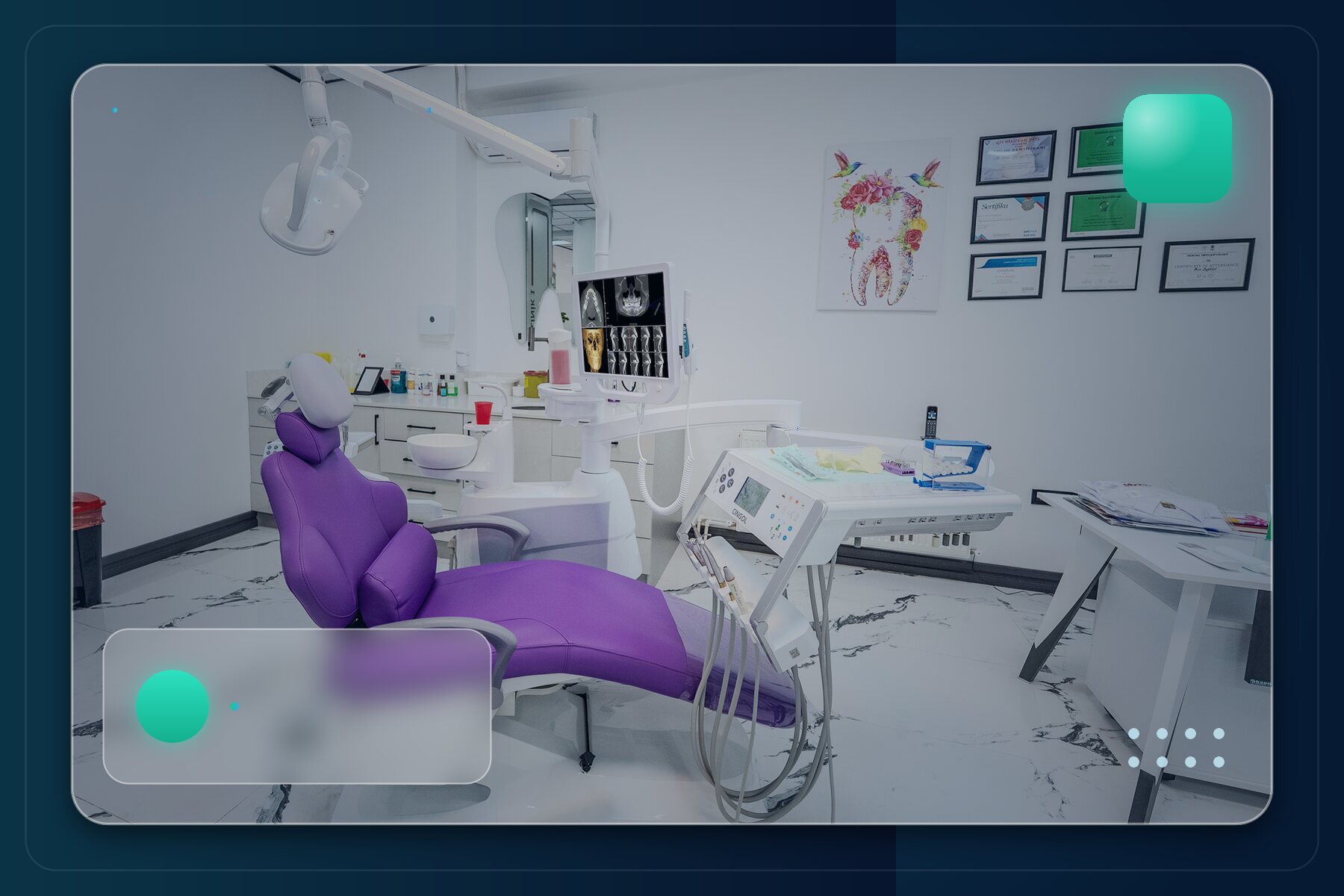
At our clinic in Ataşehir, Istanbul, we examine the soft tissues of the mouth at every check-up. If a suspicious lesion is found, our oral and maxillofacial surgeon assesses it and, when needed, we refer you for biopsy and further tests. Contact us for an examination.
Frequently Asked Questions
Is every white patch in the mouth cancer?
No. Most white patches are caused by harmless things such as fungal infection, cheek biting or denture irritation. White patches that do not wipe off and do not go away within 2–3 weeks (leukoplakia) must be examined.
Is mouth cancer painful?
In the early stages it is often painless, so the absence of pain should not be reassuring. Pain, bleeding and difficulty swallowing may appear as it progresses.
Can a dentist diagnose mouth cancer?
A dentist can spot suspicious lesions and start the assessment. A definite diagnosis is made by examining a tissue sample (biopsy) under the microscope.
I don’t smoke – am I still at risk?
Your risk is much lower but not zero; other factors such as HPV, sunlight and age play a role. Regular check-ups are recommended for everyone.