Short answer
Fear of the dentist is very common and nothing to be ashamed of. Telling your dentist about it, agreeing a “stop” signal, short step-by-step appointments and effective local anaesthesia are enough for most people. For patients with severe anxiety, sedation given with an anaesthetist allows treatment to be done comfortably and safely.
Many people put off the dentist because of a past painful experience, fear of needles, sensitivity to sounds and smells or a feeling of losing control. The problem is that a small cavity left untreated can turn into a bigger problem needing a root canal or extraction – a vicious circle that feeds the fear.
What Causes Fear of the Dentist?
- A painful or bad experience in childhood or later
- Fear of needles or blood
- The sound, vibration and smell of the drill
- Not being able to speak with your mouth open, feeling out of control
- A sensitive gag reflex
- Embarrassment about the state of your teeth and fear of being judged
The American Dental Association stresses that sharing your anxiety with your dentist is the most important step towards adapting treatment to you.
What Can You Do to Feel Less Anxious?
- Mention your fear when booking. The team can plan time and approach accordingly.
- Ask for a meet-and-examine appointment first. No treatment on the first visit builds trust.
- Agree a “stop” signal. Raising your hand to pause gives you a sense of control.
- Ask for each step to be explained beforehand. Knowing what comes next reduces uncertainty.
- Choose short appointments. Long treatments can be split into several short sessions.
- Use breathing exercises. Breathing in through the nose for 4 seconds and out for 6 slows the heart rate.
- Bring headphones. Music or a podcast masks the sounds.
- Bring someone you trust.
- Book a morning slot so you don’t spend the day worrying.
Is Treatment Really Painful?
Today almost all fillings, root canal treatments and extractions are done painlessly under local anaesthesia. Numbing gel before the injection and injecting slowly also greatly reduce the feeling of the needle.
What Is Sedation and Who Is It For?
Sedation uses medicines to relax you and take away anxiety, bringing you into a calm, drowsy state. The treatment area is still numbed with local anaesthetic. Sedation is especially useful for:
- Adults with severe dental anxiety (dental phobia)
- Treating many teeth in one session
- Surgical procedures such as impacted wisdom teeth or implants
- Patients with a very sensitive gag reflex
- Children who find it hard to cooperate and patients with special needs
| Method | What it does | Things to know |
|---|---|---|
| Local anaesthesia | Removes pain in the treatment area | You are fully awake |
| Sedation | Deep relaxation, anxiety disappears; most patients do not remember the procedure | Given with an anaesthetist; fasting and an escort are required |
| General anaesthesia | Treatment while fully asleep | Needs thorough assessment and an appropriate setting |
Before and After Sedation
- Tell us about all your medicines, medical conditions and allergies in advance.
- Fast for the period you are told.
- Bring an adult to take you home.
- On the day, do not drive, make important decisions or drink alcohol.
Anxiety-Free Dental Care at Defne Prime Dent
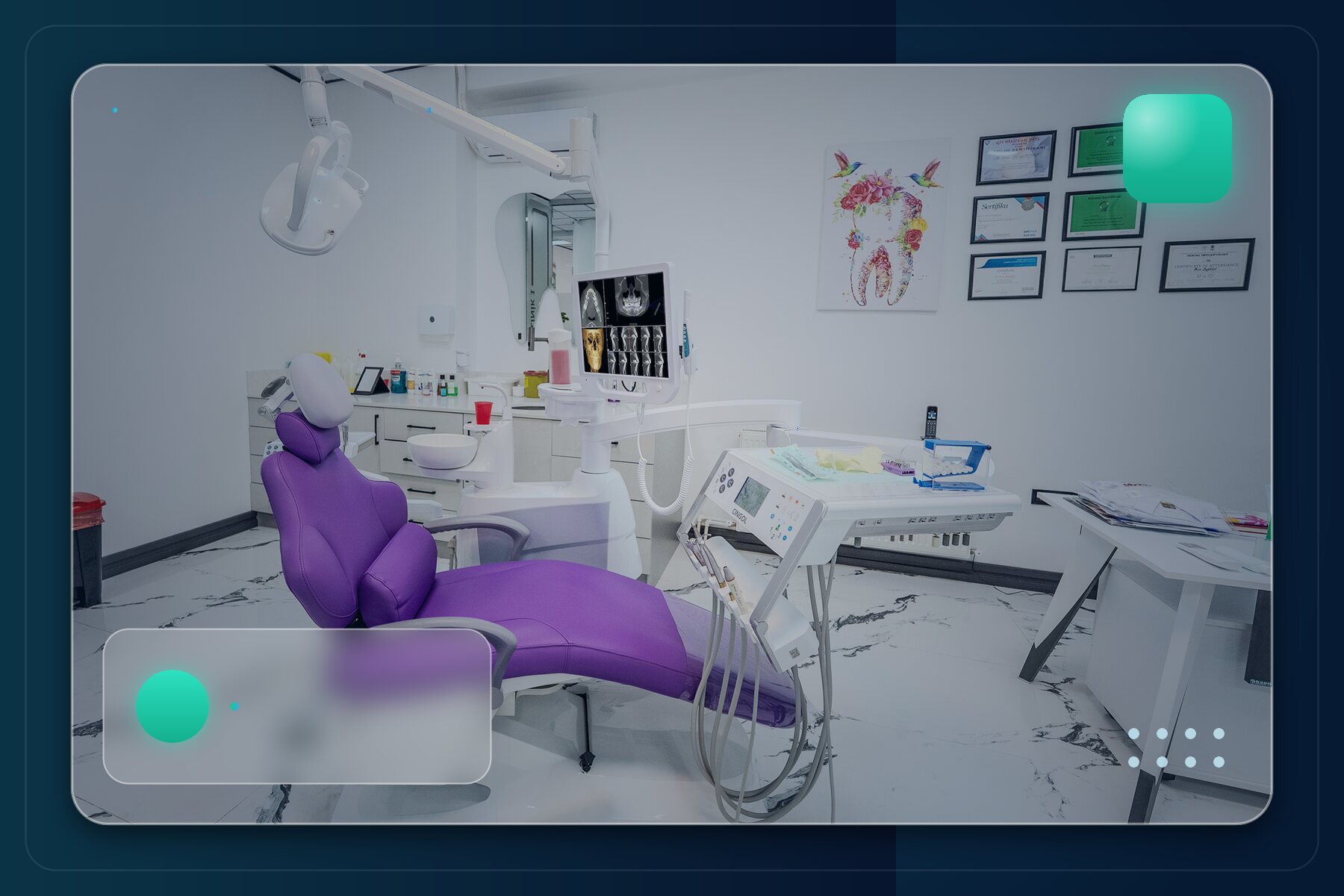
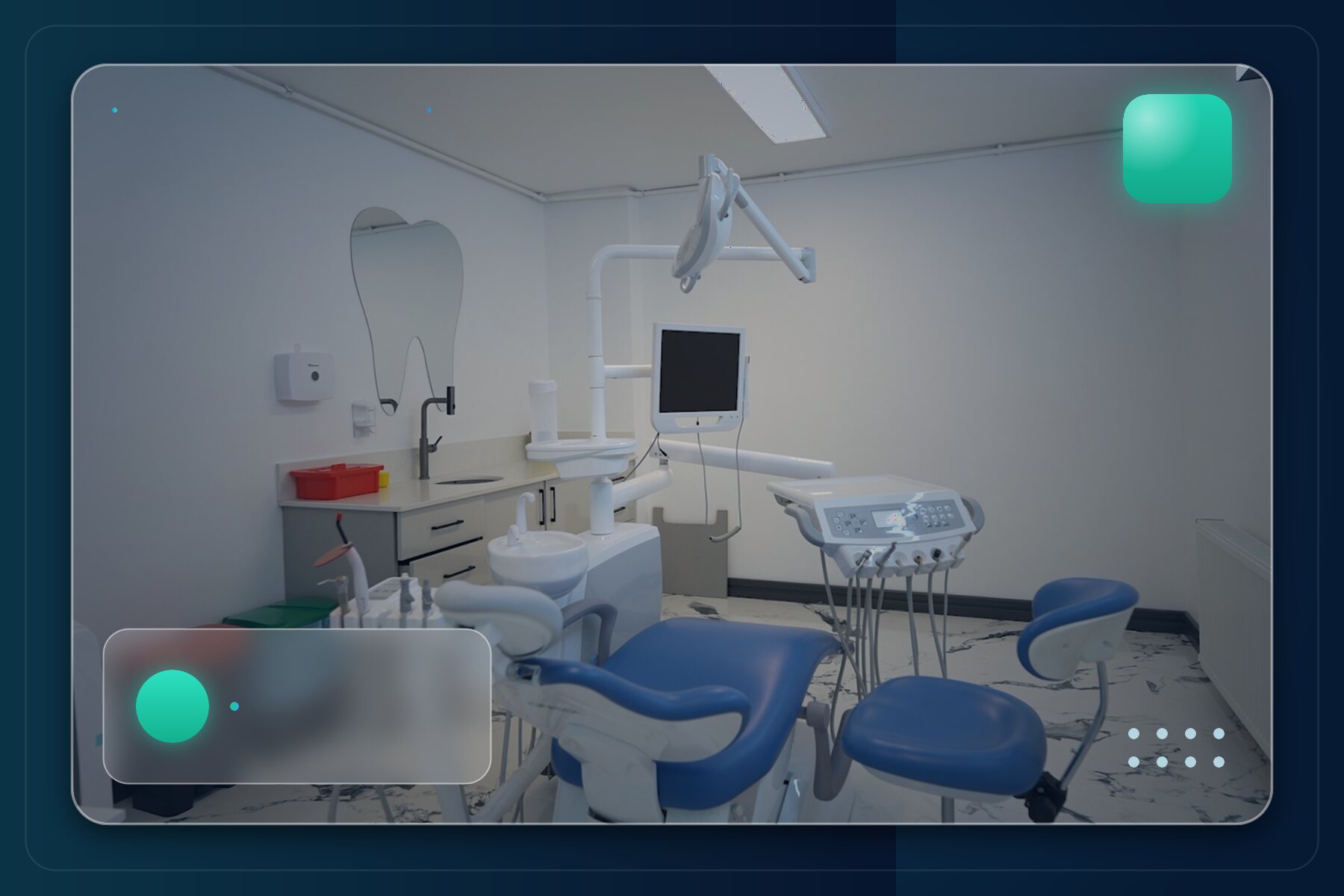
At our clinic in Ataşehir, Istanbul, we treat anxious patients without rushing, explain every step and split treatment into short sessions when needed. For patients with severe fear or extensive treatment needs, we offer treatment under sedation with an anaesthetist. To assess your suitability we can start with an examination-only visit – contact us.
Frequently Asked Questions
Is sedation the same as general anaesthesia?
No. Under sedation you are deeply relaxed and usually breathe on your own; under general anaesthesia you are completely unconscious. The right option is chosen after an assessment.
Is dental treatment under sedation safe?
With proper patient selection, assessment and monitoring by an anaesthetist throughout, it is done safely. Heart or lung conditions and regular medicines must be reported in advance.
Can fear of the dentist go away completely?
For most people, positive experiences with a team they trust reduce the fear considerably. For very severe phobia, psychological support such as cognitive behavioural therapy can also help.
How can I stop my child becoming afraid of the dentist?
Make the first visit a check-up before any pain starts, never use the dentist as a threat and try not to pass your own anxiety on to your child.