Short answer
Tooth discolouration falls into two groups: extrinsic stains on the surface (from tea, coffee, wine, smoking) and intrinsic discolouration inside the tooth (nerve death after trauma, some medicines, too much fluoride, enamel defects and ageing). Surface stains usually respond to professional cleaning and whitening; intrinsic discolouration may need internal bleaching, composite bonding, veneers or crowns. A single tooth turning grey or dark can signal a nerve problem and needs an examination and X-ray.
Natural tooth colour varies from person to person, and perfectly white teeth are not natural. Still, yellowing that becomes more noticeable over time, staining or a single tooth changing colour can be an aesthetic concern and sometimes a sign of a health problem.
Extrinsic vs Intrinsic Discolouration
| Extrinsic | Intrinsic | |
|---|---|---|
| Where? | On the enamel surface | Inside the tooth (under enamel, dentine) |
| Common causes | Tea, coffee, cola, red wine, smoking, some mouthwashes (chlorhexidine), iron syrups | Trauma and nerve death, tetracycline antibiotics, fluorosis, enamel hypoplasia, ageing |
| Appearance | Brown-yellow stains, build-up between teeth and at the gumline | Grey-blue, brown bands, white or brown patches |
| Typical treatment | Cleaning, polishing, whitening | Internal bleaching, bonding, veneers, crowns |
Why Do Teeth Turn Yellow?
- Coloured drinks and foods: tea and coffee are the most common causes; red wine, cola and some sauces also stain.
- Tobacco: cigarettes and shisha cause dark, stubborn stains (see smoking and oral health).
- Tartar and plaque: pick up stains and make teeth look dull; removed by a scale and polish.
- Ageing: enamel thins and the yellowish dentine beneath shows through more.
- Wear: acidic drinks and clenching thin the enamel.
What Does a Single Dark Tooth Mean?
A tooth that took a knock – even years ago – may gradually turn grey, brown or dark yellow. This usually means the nerve (pulp) has been damaged or has died. Even without pain, a silent infection can develop at the root tip. So if one tooth changes colour, it needs an examination and X-ray before any whitening. If necessary, root canal treatment is done first and the colour can then be lightened with “internal bleaching” from inside the tooth. Large old, discoloured fillings can also make a tooth look dark.
What Causes White Spots on Teeth?
- Early decay (demineralisation): chalky white spots, especially around braces and at the gumline.
- Fluorosis: white lines or flecks from too much fluoride while teeth were developing.
- Enamel development defects: white-yellow or brown areas in conditions such as MIH (molar-incisor hypomineralisation).
Early decay spots can be halted with fluoride; for permanent spots, microabrasion, resin infiltration or bonding may be considered.
How Is Discolouration Treated?
| Method | Suitable for |
|---|---|
| Professional cleaning and polishing | Tea, coffee and smoking stains, tartar |
| Teeth whitening (in-office or at home) | General yellowing, age-related darkening, many surface stains |
| Internal bleaching | A single root-treated tooth that has darkened from inside |
| Composite bonding | Small stains, white spots, limited areas |
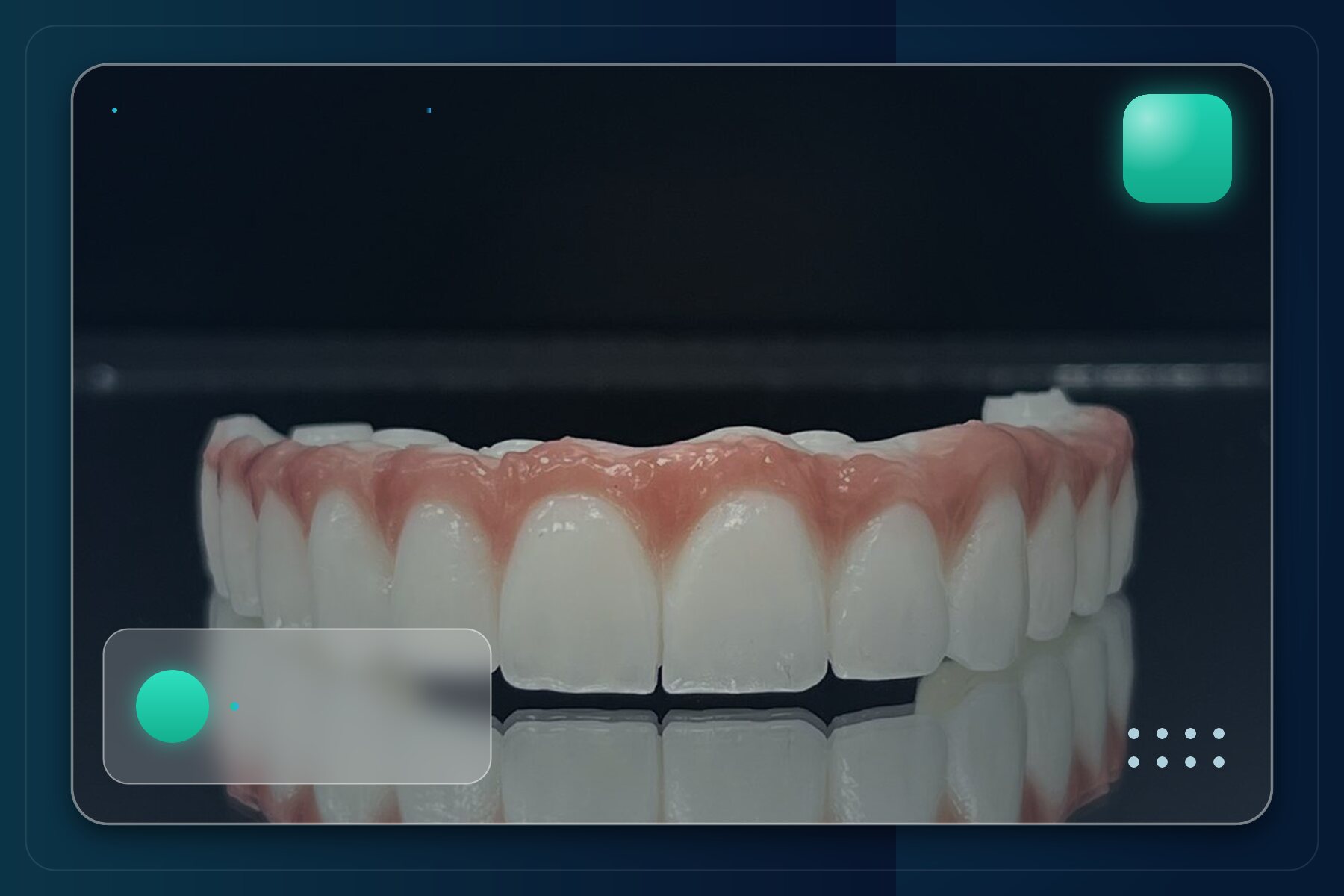
| Veneers or crowns | Intrinsic discolouration that does not respond to whitening, tetracycline staining, colour problems combined with shape issues |
Whitening lightens natural tooth tissue only; it does not change the colour of existing fillings, crowns or veneers. In patients with restorations on front teeth, the order of treatment is planned together.
Keeping Your Teeth Their Best Colour
- Rinse with water after tea and coffee; use a straw for coloured drinks when possible.
- Stop smoking.
- Brush twice a day with fluoride toothpaste; avoid using very abrasive “whitening” toothpastes all the time.
- Have check-ups every 6–12 months and a scale and polish when needed.
Tooth Colour Assessment at Defne Prime Dent
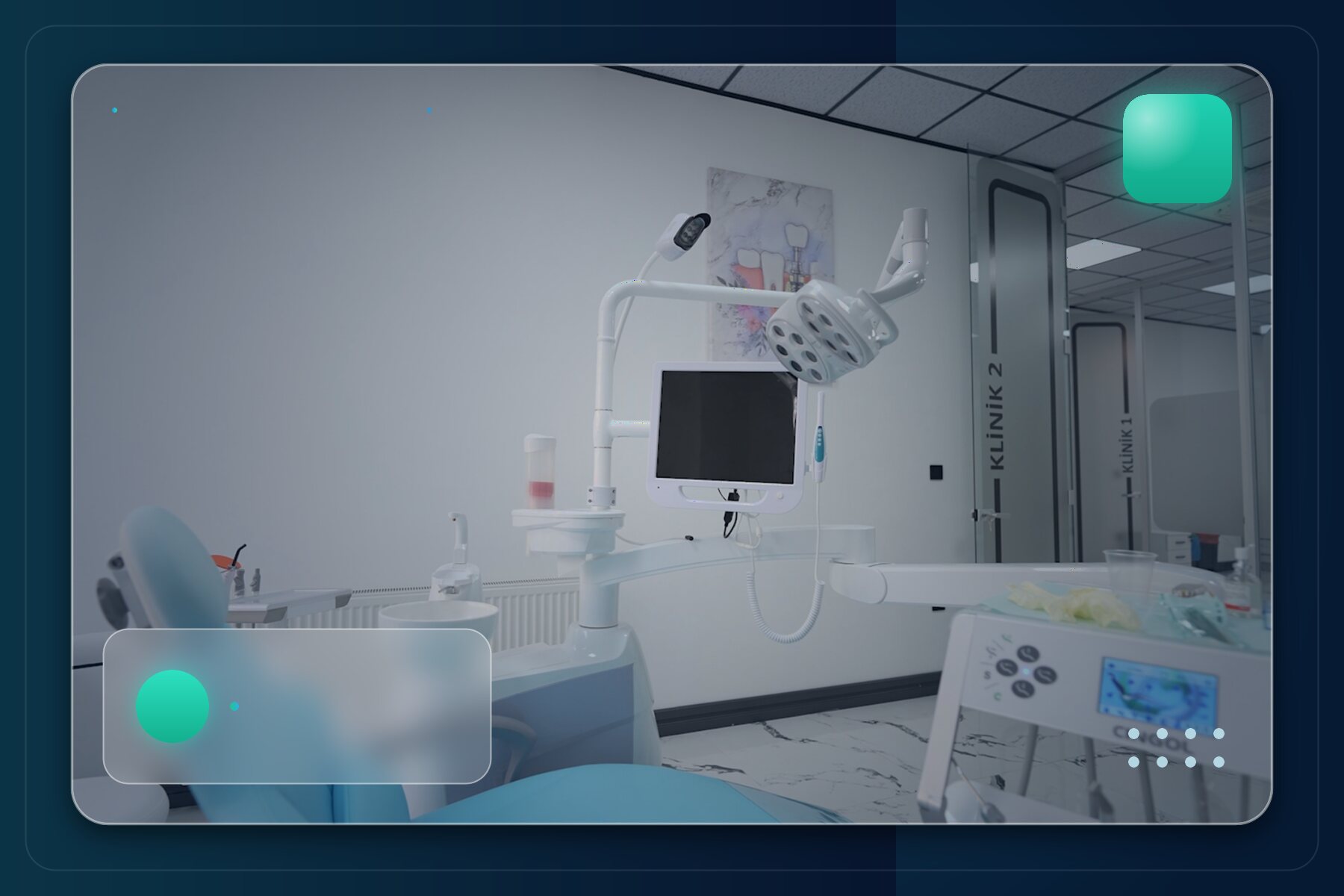
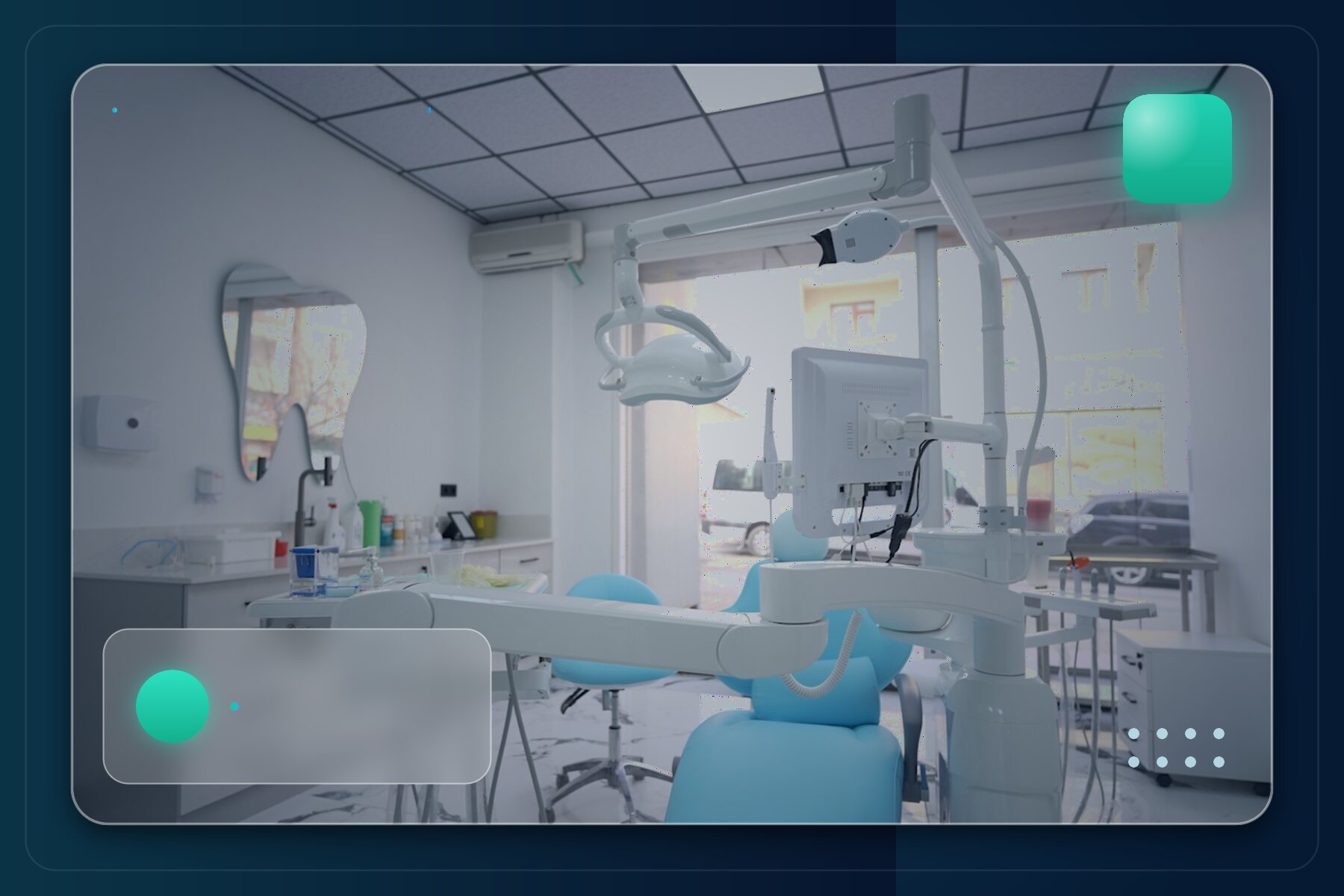
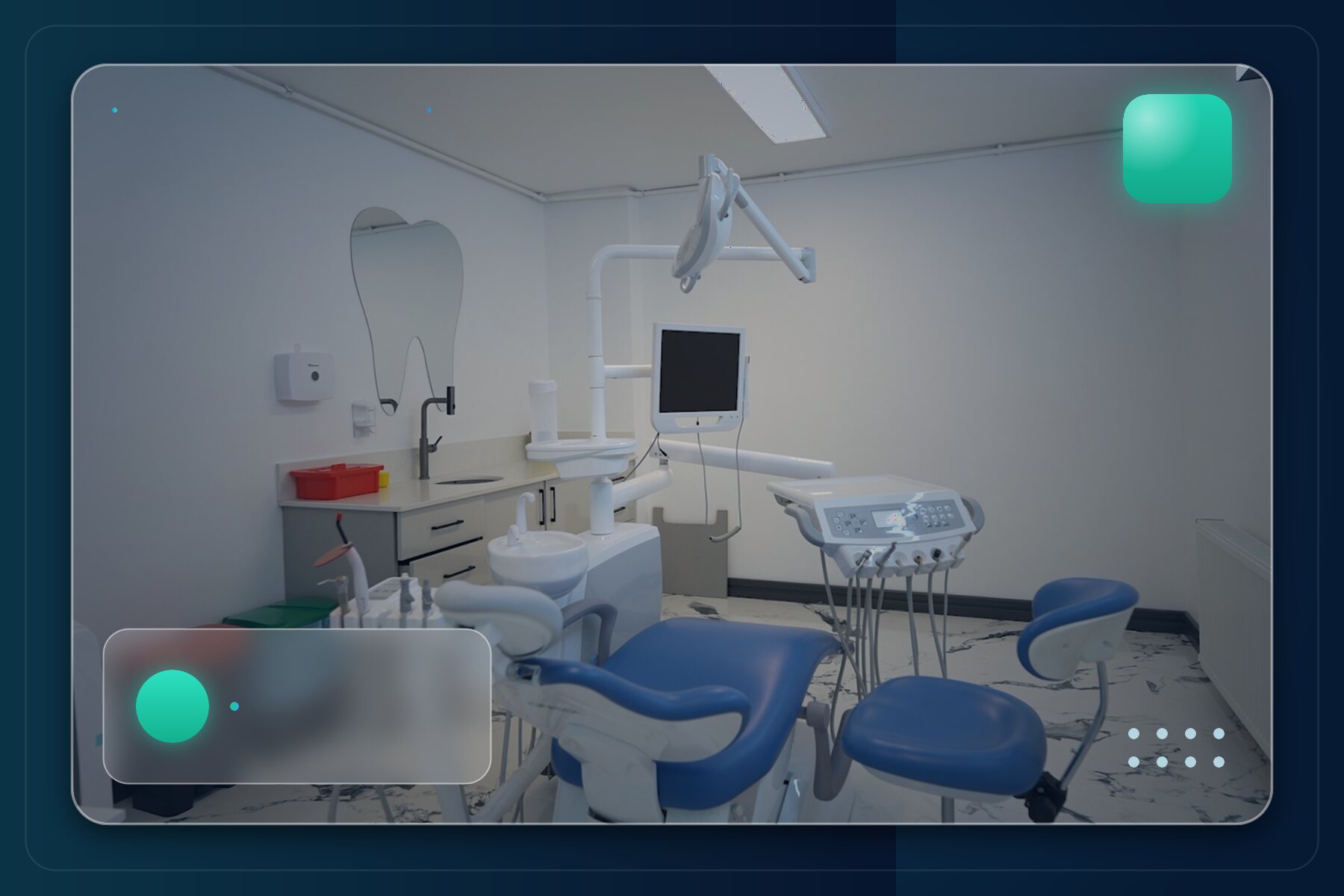
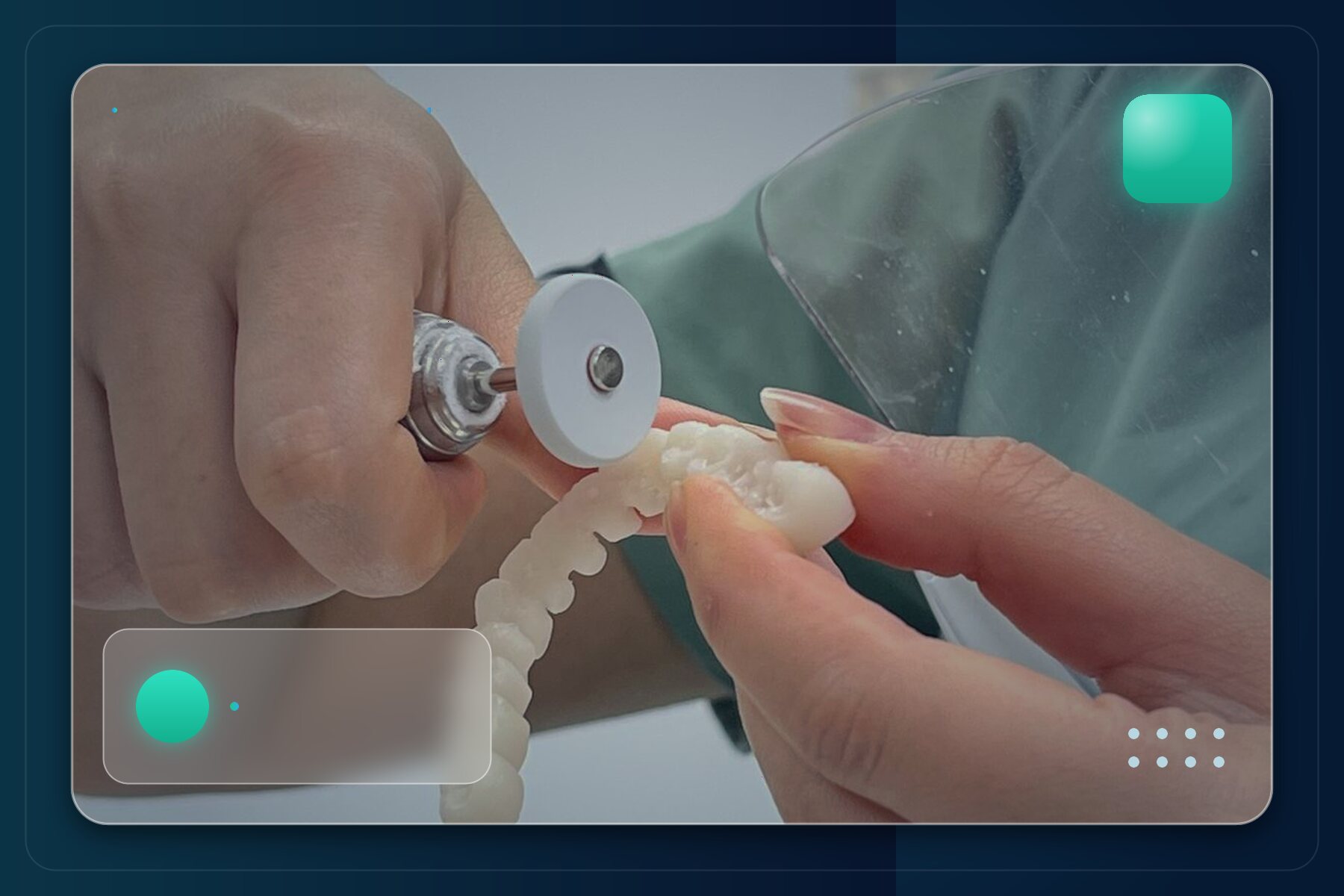
At our clinic in Ataşehir, Istanbul, we first find the cause of discolouration through examination and X-rays if needed, then plan treatment starting with the least invasive option. Veneers and crowns are made in our own laboratory to match your natural tooth colour. Contact us for an appointment.
Frequently Asked Questions
Can whitening make yellow teeth completely white?
Surface stains and age-related yellowing usually respond well. The shade you can reach depends on your natural tooth structure; medicine-related and some intrinsic discolouration lighten only to a limited extent.
A tooth I injured years ago has turned dark – what should I do?
See a dentist and have an X-ray. Darkening usually means the nerve has died; if there is infection at the root tip, root canal treatment comes first, followed by internal bleaching or a restoration to correct the colour.
Do whitening toothpastes work?
Whitening toothpastes mainly remove surface stains with abrasive particles; they do not significantly change the tooth’s own colour. Long-term, vigorous use can wear the enamel.
My child has white spots on their teeth – what could cause them?
Early decay, too much fluoride while teeth were forming (fluorosis) or enamel development defects. A paediatric dental examination is recommended to tell them apart and plan the right preventive care.