Short answer
Remove and brush your dentures every day with a soft brush and a non-abrasive cleaner – not ordinary toothpaste. Take them out at night and keep them in water or a denture-cleaning solution; never put them in hot water. Clean your gums and tongue separately. Dentures that rub, feel loose or cause sores should not be adjusted at home; your dentist should ease or reline them.
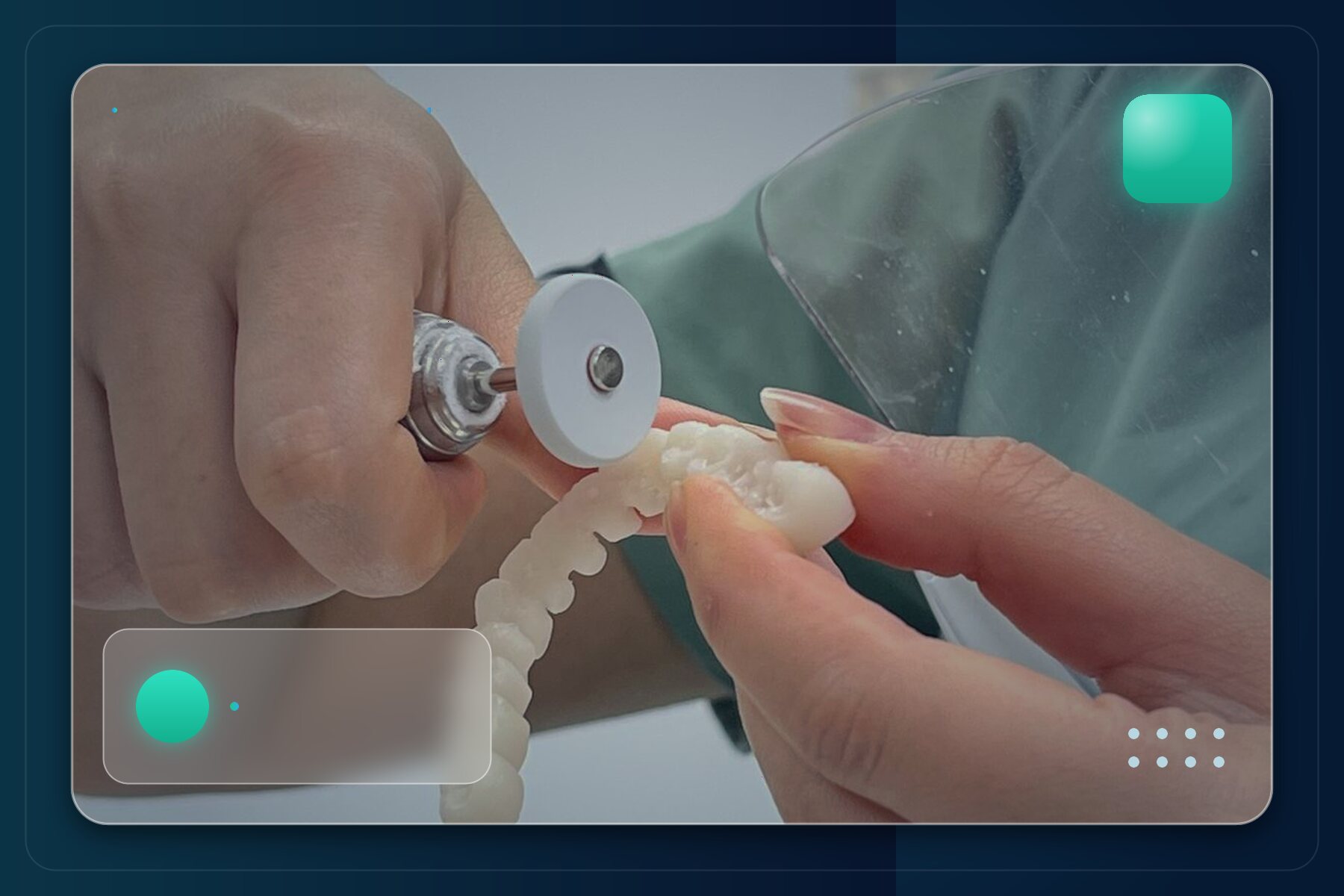
Partial and complete dentures are among the most common ways to replace missing teeth. Like natural teeth, though, dentures collect plaque and tartar; without regular cleaning they can cause bad breath, fungal infection (denture stomatitis) and gum inflammation.
How Should You Clean Dentures?
- Remove and rinse after every meal: wash away food under running water.
- Brush at least once a day: use a denture brush or soft brush with a denture cleaner or mild liquid soap. Ordinary toothpastes are abrasive and create scratches where bacteria can stick.
- Clean over a basin: put a towel in it or fill it with water – a dropped denture can break.
- Don’t skip clasps and the fitting surface: on partial dentures, metal clasps and surfaces resting on the gum collect plaque.
- Use cleaning tablets as directed and rinse the denture well afterwards.
Should Dentures Be Removed at Night?
Yes, unless your dentist tells you otherwise. This lets your gums and palate rest and be cleansed by saliva and lowers the risk of denture stomatitis. Keep the denture in water or a denture-cleaning solution so it does not dry out or change shape.
Note: never put dentures in hot or boiling water, which can warp them. Bleach can damage the colour and metal parts.
Don’t Forget Your Mouth
- After removing the denture, clean your gums, palate and tongue with a soft brush or damp gauze.
- If you wear a partial denture, brush your remaining natural teeth daily with fluoride toothpaste; teeth under clasps are prone to decay.
- Dry mouth reduces denture retention and increases sore spots – see our tips on dry mouth.
Why Do Dentures Rub or Become Loose?
After teeth are lost, the jawbone keeps shrinking over time. A denture that fitted well at first becomes loose over months and years, moves when you chew and causes sore spots on the gum. Weight changes and denture wear also affect fit.
| Problem | Likely cause | Solution |
|---|---|---|
| Sore spot in one place | Pressure from the denture edge | Easing by the dentist |
| Denture moves, food gets under it | Bone shrinkage, loose fit | Relining or a new denture |
| Red, burning palate | Denture stomatitis (fungal) | Hygiene, removing at night, medication if needed |
| Cracks at the corners of the mouth | Reduced bite height, fungal infection | Denture assessment |
Do not file, bend or “fix” your denture with adhesive at home. Tissue under constant pressure can be permanently damaged; any sore lasting more than two weeks must be examined.
Can You Use Denture Adhesive?
With a well-fitting denture, a small amount of adhesive can give extra hold and confidence. But adhesive is not a fix for a poorly fitting denture: if you need more and more of it, your denture needs relining or replacing. Remove adhesive residue from both the denture and your gums every day.
How Often Should Dentures Be Checked?
Even if you have no natural teeth left, see your dentist at least once a year. Fit, bite and the soft tissues of the mouth – especially any non-healing sore or patch – are checked. Dentures usually need relining within a few years and replacing at intervals.
Implant-Retained Dentures Instead of Loose Ones
For many people who struggle with a loose lower denture, a snap-on denture held by two or more implants is far more comfortable. Fixed full-arch options are also possible. See our pages on full-mouth dental implants, All-on-4 and flexible dentures.
Denture Check-Ups and Replacement at Defne Prime Dent
At our clinic in Ataşehir, Istanbul, we assess denture fit, bite and oral tissues, and ease, reline or plan new dentures together with our in-house laboratory. Contact us for an appointment.
Frequently Asked Questions
Can I brush dentures with toothpaste?
It is not recommended. Toothpastes are abrasive and leave fine scratches that make plaque and stains stick more easily. Use a denture cleaner or mild liquid soap instead.
Is it harmful to sleep with dentures in?
Sleeping in dentures regularly increases the risk of fungal infection of the palate (denture stomatitis) and tissue irritation. Unless your dentist advises otherwise, take them out at night.
How long do dentures last?
It depends on use, care and changes in the jawbone. Dentures wear and their fit changes; they may need relining every few years and replacing at intervals. Your dentist decides at regular check-ups.
Why do new dentures make eating and speaking difficult?
Getting used to new dentures can take a few weeks. Eating soft food in small bites and reading aloud help. If you have pain or sores, see your dentist without waiting.