Short answer
A fissure sealant is a thin, flowable protective coating applied to the deep grooves on the chewing surfaces of back teeth; no drilling is involved and it is painless. It is usually applied to the first permanent molars, which come through around age 6, and the second permanent molars at about 11–13. Fluoride varnish strengthens enamel and makes it more resistant to decay. Both complement daily brushing – they do not replace it.
Most tooth decay in children starts on the chewing surfaces of the back teeth, where toothbrush bristles cannot fully reach. The narrow grooves (fissures) on these surfaces are an ideal hiding place for food and bacteria. Two key tools of preventive dentistry – fissure sealants and fluoride – reduce this risk considerably.
What Is a Fissure Sealant?
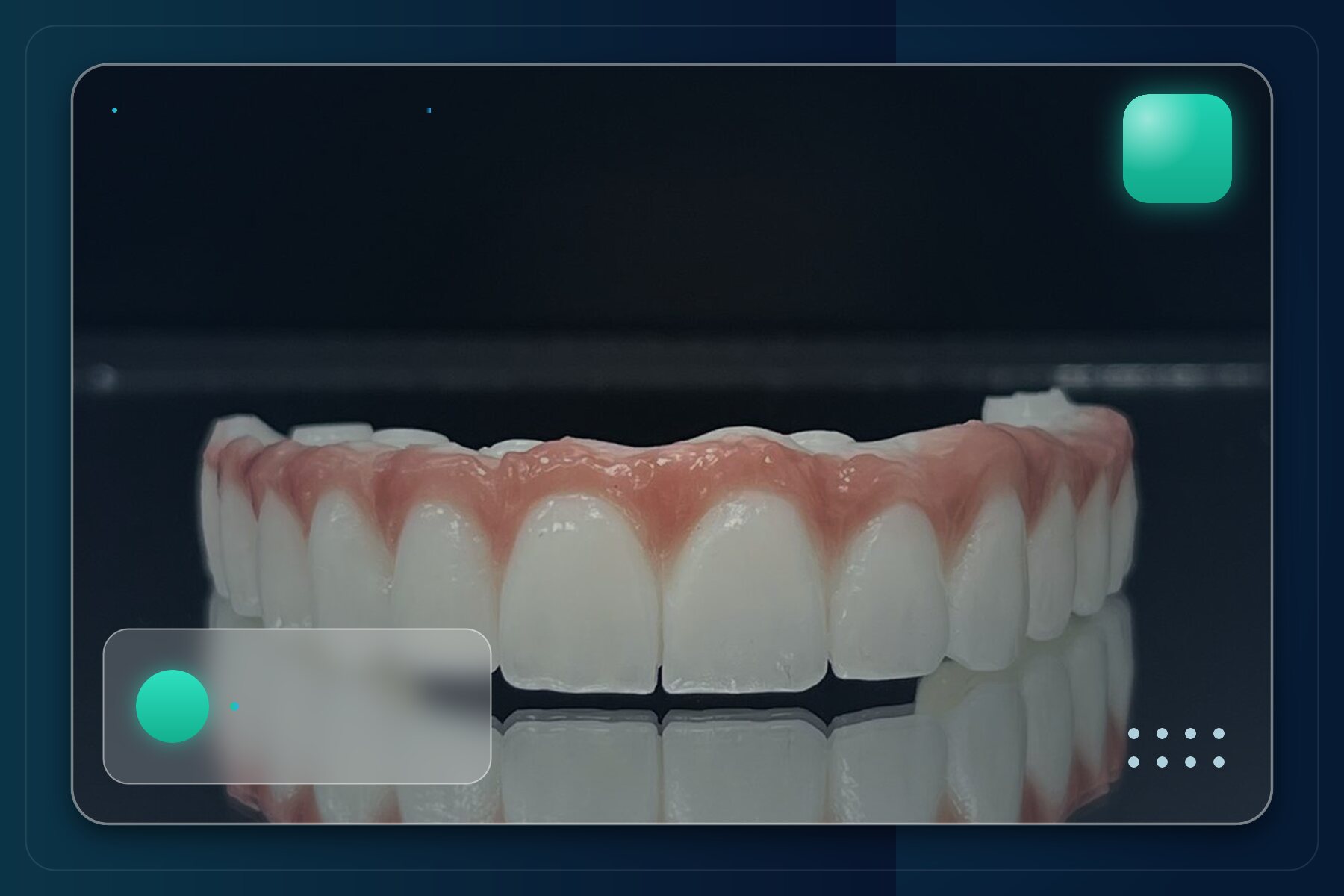
A fissure sealant is a thin resin layer flowed into the deep grooves of a tooth’s chewing surface and hardened with a light. It turns the grooves into a smooth, easy-to-clean surface so that bacteria and food cannot settle there. The U.S. National Institute of Dental and Craniofacial Research (NIDCR) states that sealants substantially reduce the risk of decay in molars.
At What Age and on Which Teeth Are Sealants Applied?
- First permanent molars: usually erupt at 6–7 years. Because they come through behind the baby teeth, parents often do not realise they are permanent.
- Second permanent molars: usually erupt between 11 and 13.
- Deeply grooved premolars and some baby molars: on the dentist’s advice in children at high risk of decay.
- Adults: can be applied to deeply grooved, decay-free teeth when needed.
The best results come from sealing a tooth once it has fully erupted and before decay starts.
How Is a Fissure Sealant Applied?
- The tooth surface is cleaned with a special brush and paste.
- The tooth is kept dry with cotton rolls; the surface is briefly prepared with a mild acidic gel and rinsed.
- The flowable sealant is painted into the grooves.
- It is hardened with a curing light in a few seconds and the bite is checked.
The procedure takes a few minutes per tooth and needs no injection or drilling. Children usually tolerate it easily.
What Does Fluoride Do?
Fluoride makes enamel more resistant to acid attacks and helps very early enamel loss to remineralise. The World Health Organization highlights the importance of fluoride toothpaste in preventing decay. Fluoride varnish, applied in the clinic, is a high-concentration protective layer brushed onto the teeth; in children at high risk of decay it is repeated at intervals set by the dentist, often every 3–6 months.
How Much Fluoride Toothpaste Should Children Use?
| Age | Amount of toothpaste | Tip |
|---|---|---|
| First tooth – 3 years | A thin smear, the size of a grain of rice | A parent does the brushing |
| 3 – 6 years | A pea-sized amount | Teach the child to spit out, not swallow |
| 6 years and over | A pea-sized amount (adult toothpaste) | Spit, don’t rinse heavily, so fluoride keeps working |
Young children should not swallow toothpaste; taking in too much fluoride over long periods can cause white marks on the teeth (fluorosis). Brushing in early childhood should always be supervised by an adult.
Fissure Sealant vs Fluoride Varnish
| Fissure sealant | Fluoride varnish | |
|---|---|---|
| Area protected | Chewing surfaces of back teeth | All tooth surfaces |
| How it works | Physically seals the grooves | Chemically strengthens enamel |
| Repeat | Checked at visits, renewed if needed | Every few months depending on risk |
| Pain / anaesthesia | None | None |
Preventive Dentistry for Children at Defne Prime Dent
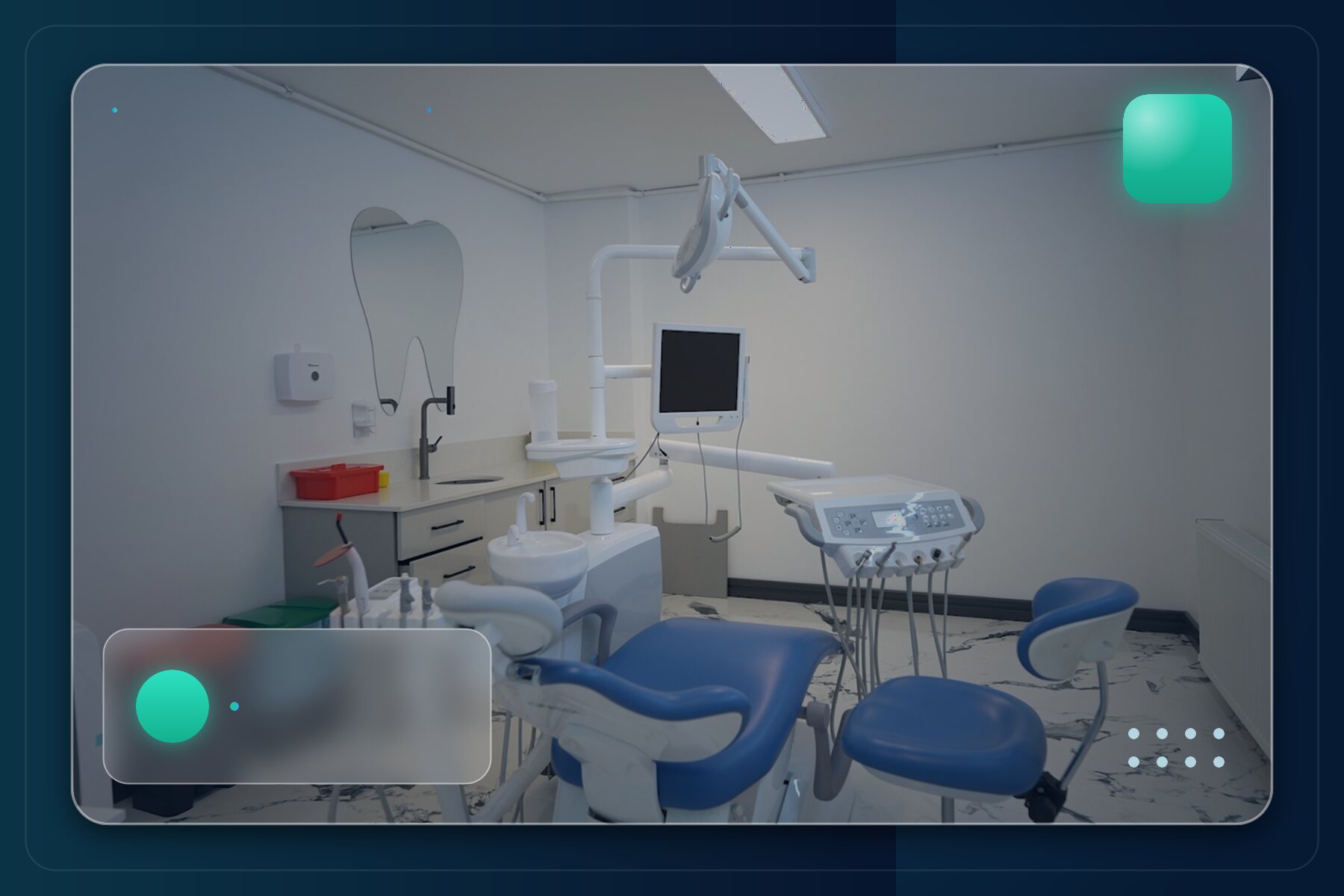
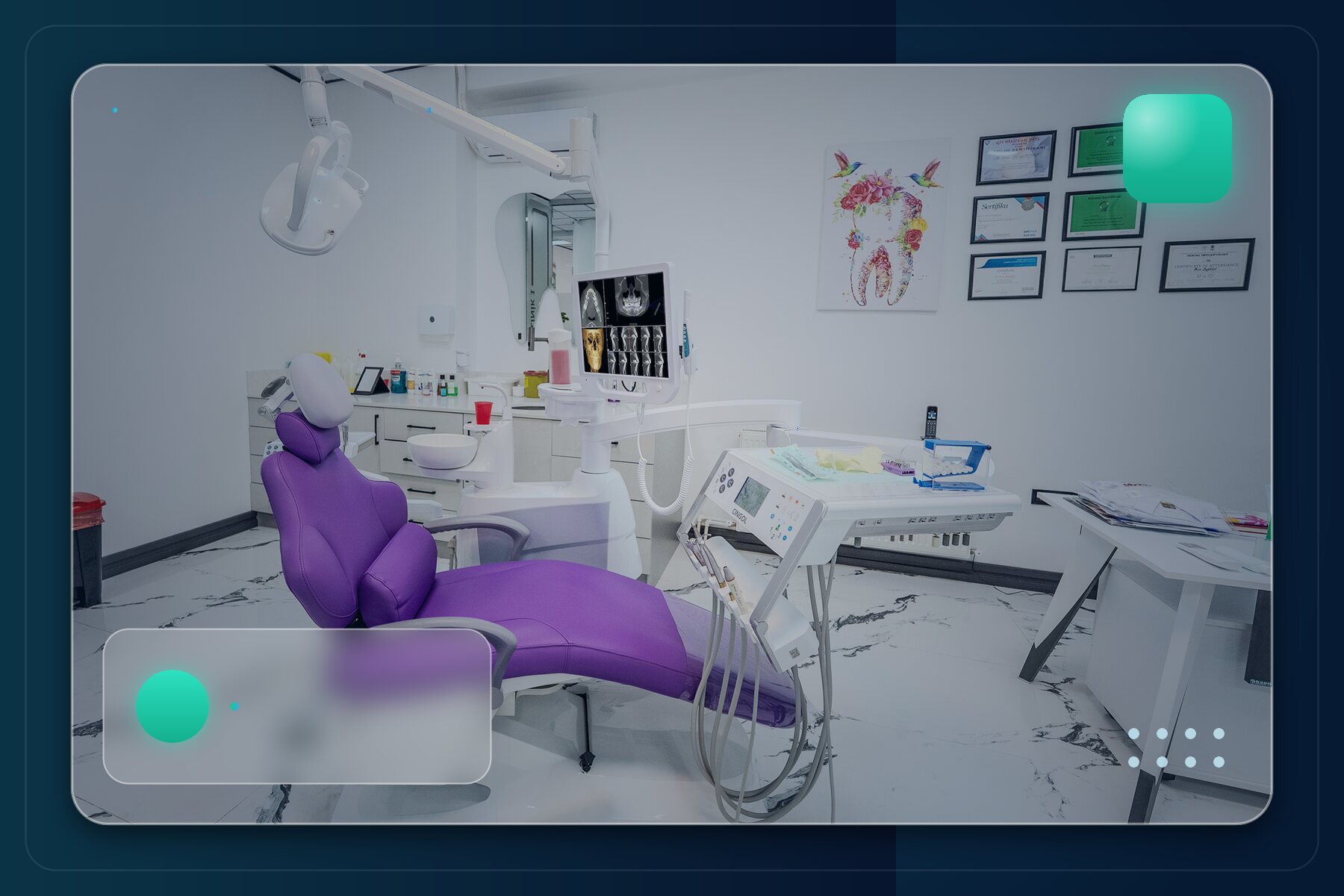
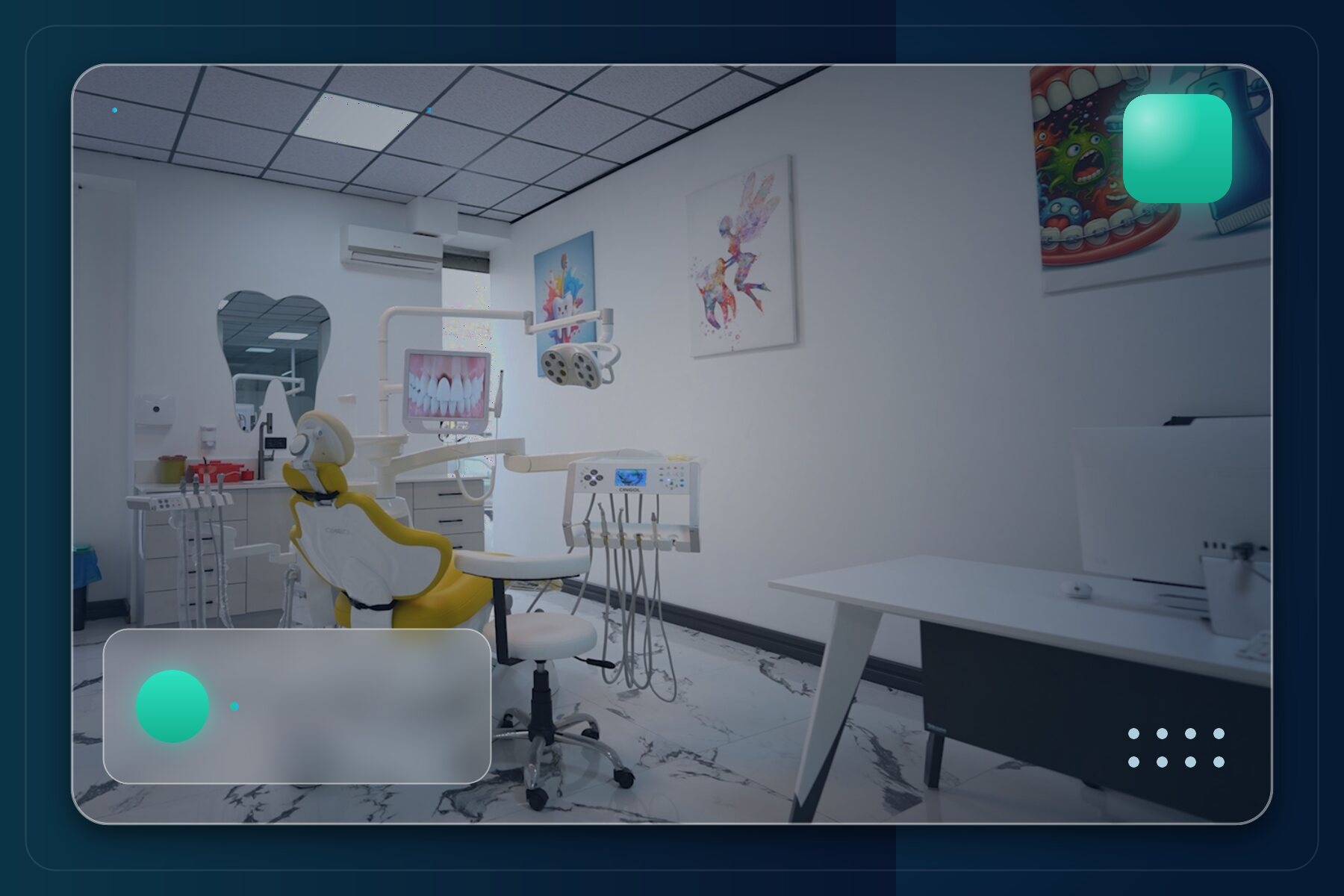
In the children’s treatment room at our Ataşehir clinic, we first assess your child’s decay risk and then apply sealants and fluoride in short, playful sessions. Learn more about our pediatric dentistry services or contact us to book a visit.
Frequently Asked Questions
How long do fissure sealants last?
Well-placed sealants can stay on the tooth for years. As chewing can wear them down, they are checked at every visit and easily renewed if needed.
Is a fissure sealant a filling?
No. A filling removes decayed tissue and restores the tooth; a sealant closes the grooves of a healthy tooth before decay starts. Nothing is drilled away.
Is fluoride varnish harmful?
Fluoride varnish applied by a dentist is used in controlled amounts on the tooth surface only and is safe. The main thing to watch at home is that young children do not swallow toothpaste.
Can a sealed tooth still decay?
The risk is greatly reduced but not eliminated. If the sealant wears partly away or the surfaces between teeth are not cleaned, decay can develop, so brushing, flossing and check-ups must continue.