We all brush our teeth every day, yet most of us do it incorrectly or incompletely. Most decay and gum disease can be prevented with daily care using the right technique.
This step-by-step guide explains how to brush, how to floss and which mistakes to avoid.
Choosing a Toothbrush and Toothpaste
- Use a soft or medium-soft brush; hard bristles can wear down gums and enamel.
- Small brush heads reach the back teeth more easily.
- Replace your brush about every three months, or sooner if the bristles splay.
- Use fluoride toothpaste; a pea-sized amount is enough for adults.
- Electric brushes: used correctly, they can make plaque removal easier, especially for people with limited dexterity or braces.
Brushing Step by Step
- Place the brush against the gum line at an angle of about 45 degrees.
- Clean two or three teeth at a time with small, gentle circular or vibrating movements.
- Brush the outer surfaces, then the inner surfaces; hold the brush upright for the inside of the front teeth.
- Clean the chewing surfaces with back-and-forth strokes.
- Gently brush your tongue from back to front or use a tongue scraper.
- Brush for at least two minutes; divide your mouth into four sections and spend 30 seconds on each.
- Spit out the toothpaste but do not rinse with lots of water, so the fluoride keeps working.
How to Floss
A toothbrush cannot reach much of the surface between the teeth, which is where decay and gum inflammation often begin.
- Wind about 40 cm of floss around your middle fingers and hold it taut between thumbs and index fingers.
- Ease the floss between the teeth with a gentle back-and-forth motion, without snapping it.
- Curve the floss into a C shape against one tooth and slide it gently just below the gum line, then up.
- Repeat on the neighbouring tooth, using a clean section of floss for each gap.
If you have wider gaps, bridges or implants, interdental brushes may work better than floss. Ask your dentist which size is right for you.
7 Common Mistakes
- Pressing too hard: can lead to gum recession and sensitivity.
- Horizontal sawing strokes: wear notches into the necks of the teeth.
- Brushing too briefly: 30 seconds leaves most of the plaque behind.
- Missing the gum line: plaque builds up most where tooth meets gum.
- Brushing straight after acidic food: wears softened enamel; wait 30–60 minutes.
- Stopping flossing because gums bleed: bleeding usually signals inflammation and improves with regular cleaning.
- Not replacing your brush: splayed bristles do not clean effectively.
Braces, Implants and Dentures
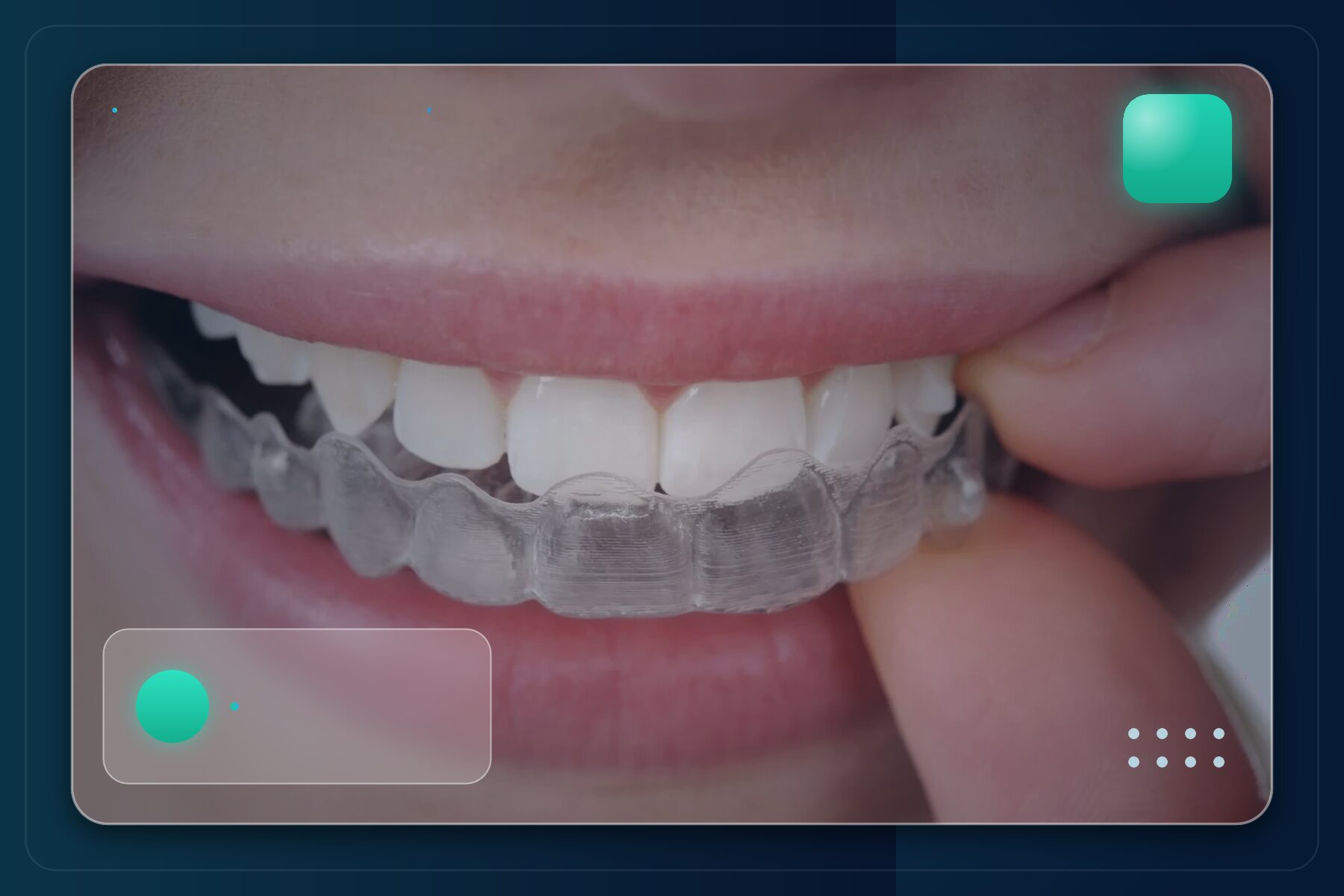
- Braces: brush above and below the brackets separately and use an orthodontic brush and interdental brushes.
- Implants and bridges: use special floss (super floss) or interdental brushes under bridges.
- Removable dentures: take them out and brush them daily, and clean your gums and mouth as well.
Oral Hygiene Advice at Defne Prime Dent
At our clinic in Ataşehir, Istanbul, check-ups and professional cleaning appointments include advice on the right brush, interdental brush size and technique for you. If your gums bleed, see our gum disease treatments page or contact us to book an appointment.
Frequently Asked Questions
Should I brush before or after meals?
Brushing in the morning and before bed is generally recommended. If you have had something acidic, wait 30–60 minutes before brushing.
Floss or interdental brushes?
Floss works best for tight gaps; interdental brushes are more effective for wider gaps and around bridges and implants. Many people use both.
Can mouthwash replace brushing?
No. Mouthwash does not mechanically remove plaque the way a brush and floss do; it can be used in addition if your dentist recommends it.
Can an electric toothbrush damage the gums?
Not when used correctly. Many electric brushes have a pressure sensor that warns you if you press too hard.
This article is for general information only and does not replace an examination. Please consult your dentist for advice specific to you.