A click in front of your ear when you open your mouth, a tired jaw in the morning or not being able to open your mouth fully can all be signs of a problem with the temporomandibular joint (TMJ). TMJ disorders are common, and most can be managed with simple, non-surgical measures.
What Is the Jaw Joint?
The TMJ connects the lower jaw to the skull, just in front of the ear. It is involved in speaking, chewing and swallowing. Inside the joint is a small disc that cushions movement. When the muscles, joint and disc stop working in harmony, pain and restricted movement can result.
Symptoms
- Pain in front of the ear, at the temples or in the jaw muscles
- Clicking or grating sounds when opening and closing
- Being unable to open fully or the jaw briefly catching (locking)
- Jaw fatigue and tension in the morning
- Headaches and a feeling of fullness around the ear
- Tiring quickly when chewing, or a feeling that the teeth do not "fit" when biting
A painless click that does not restrict movement often needs no treatment, but pain or locking should be assessed.
What Causes It?
- Clenching and grinding (bruxism): especially unconscious clenching at night overloads the muscles.
- Stress and tension: increase daytime clenching.
- Disc displacement: a change in the position of the disc can cause clicking and locking.
- Injury: blows to the jaw.
- Joint wear and rheumatic conditions.
- Habits: constant gum chewing, nail biting, resting the chin on the hand, holding the phone between shoulder and ear.
Self-Care Tips
- Rest your jaw: eat soft foods for a while and avoid large bites and hard foods.
- Stop chewing gum.
- Mind your resting position: lips together, teeth slightly apart, tongue resting on the palate; check during the day whether your teeth are touching.
- Warm compress: can relax the muscles in muscle-related pain.
- Manage stress: breathing exercises and regular sleep reduce muscle tension.
- Avoid opening too wide; support your jaw with your hand when yawning.
Treatment Options
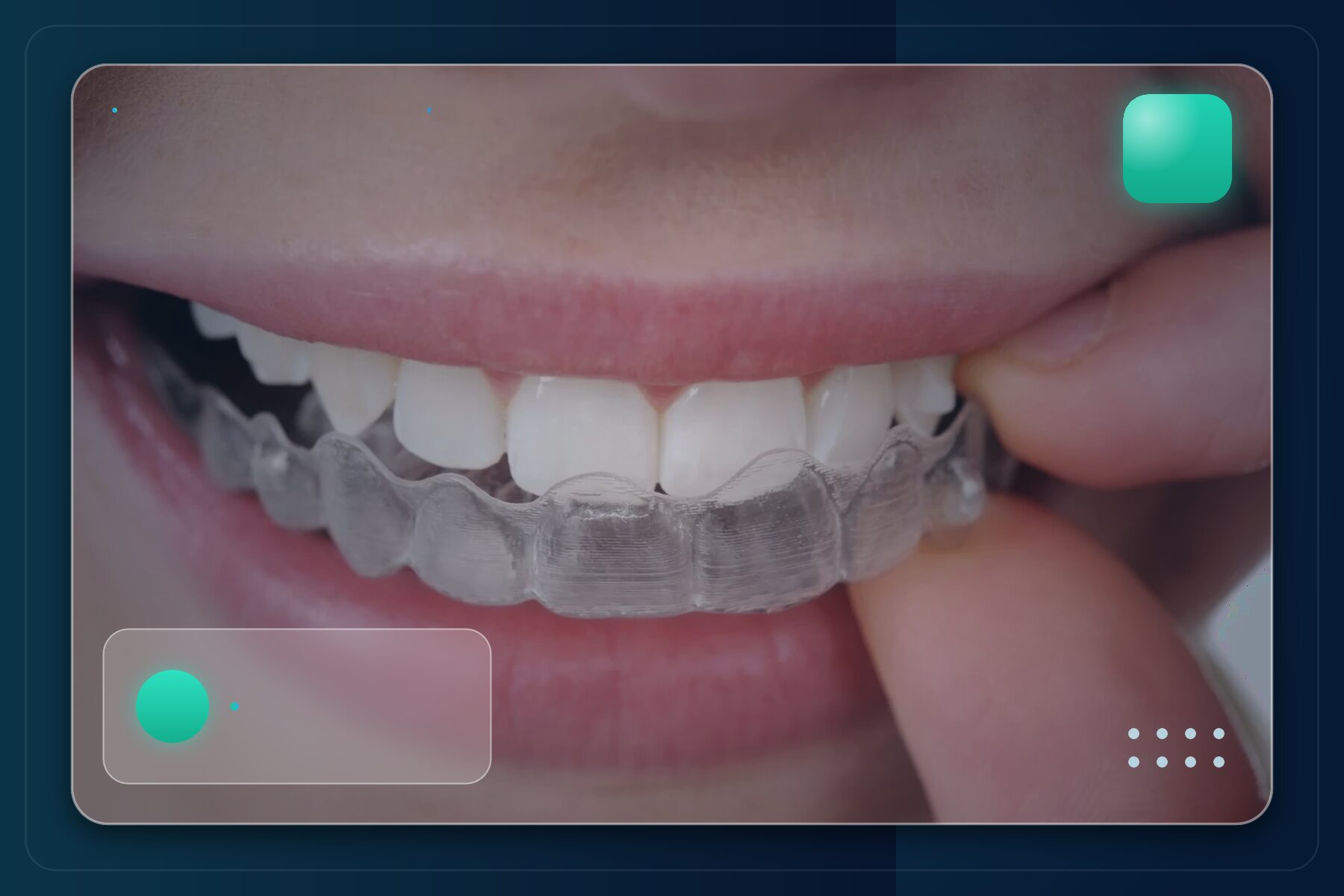
- Night guard (occlusal splint): a custom-made splint reduces the load that clenching and grinding put on the joint and muscles.
- Physiotherapy and jaw exercises: to relax muscles and improve range of motion.
- Medication: where needed, a short course of pain relief or muscle relaxant may be recommended by a clinician.
- Bite assessment: problems with how the teeth meet are assessed and, if needed, orthodontic or prosthetic treatment is planned.
- Further treatment: in rare cases that do not respond to conservative care, referral to the appropriate specialist.
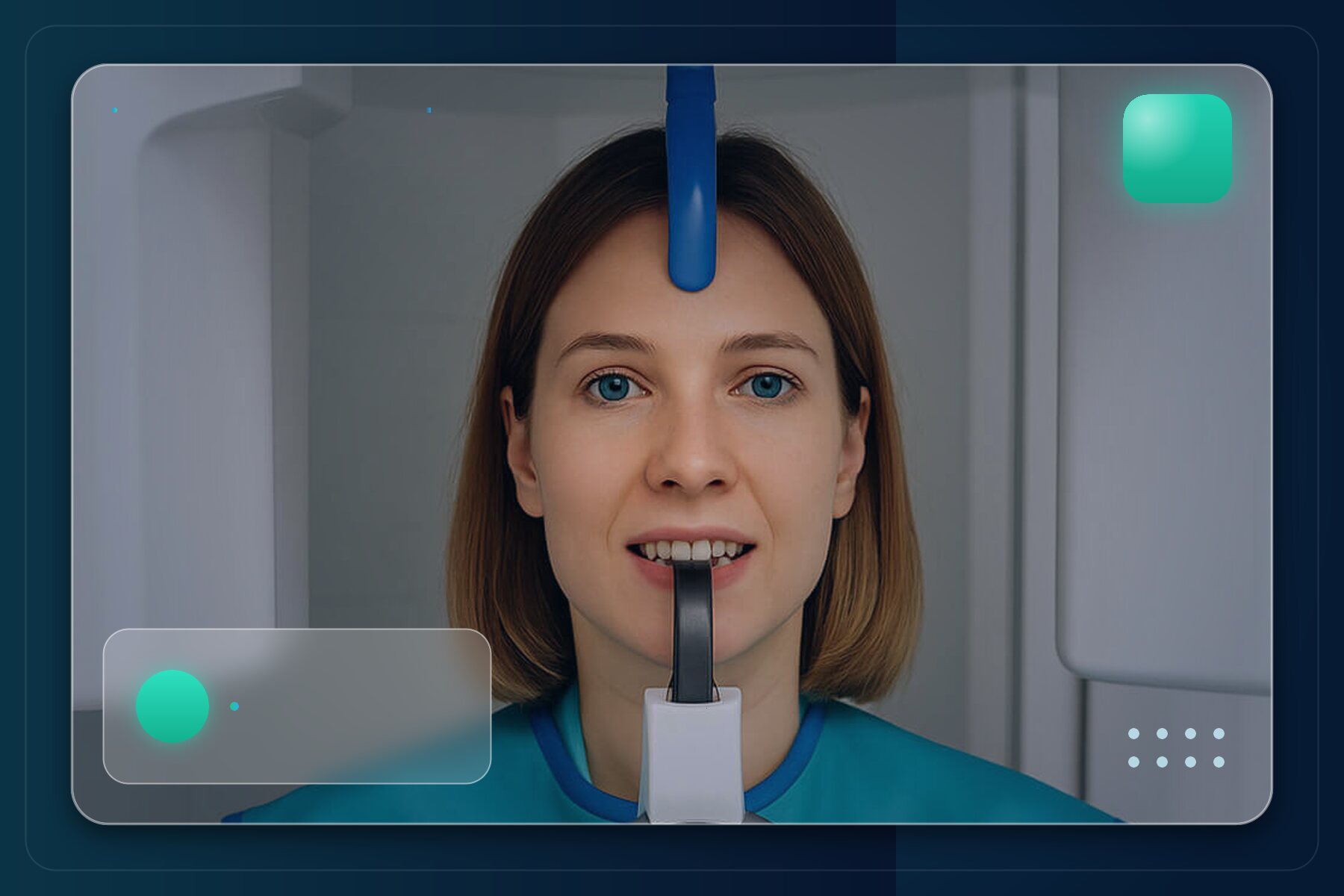
Imaging such as a panoramic X-ray is used when needed.
When to See a Dentist
- Pain lasting several weeks or getting worse
- Noticeably reduced mouth opening
- The jaw locking open or closed
- Your bite feeling different
- Pain and swelling after an injury
Jaw Joint Assessment at Defne Prime Dent
At our clinic in Ataşehir, Istanbul, jaw joint complaints are assessed with a muscle and joint examination, a bite assessment and imaging where needed; most patients are treated with a custom night guard and practical advice. Contact us to book an appointment.
Frequently Asked Questions
Is jaw clicking dangerous?
Clicking without pain or restricted movement is often harmless. It should be assessed if it comes with pain, locking or reduced opening.
Does TMJ pain go away on its own?
Much muscle-related pain improves within a few weeks with jaw rest and changes in habits. Persistent or recurring symptoms need treatment.
How long do I need to wear a night guard?
It depends on the cause and severity. If clenching continues, the guard may be worn long term and is reviewed at check-ups.
Can TMJ pain feel like ear pain?
Yes. Because the joint sits just in front of the ear, pain can radiate there. If an ear examination is normal, the jaw joint should be checked.
This article is for general information only and does not replace an examination. Please consult your dentist for advice specific to you.