Orthodontics is often associated with childhood and the teenage years, yet a large share of orthodontic patients today are adults. As long as the gums and jawbone are healthy, there is no upper age limit for straightening teeth.
Why Do Adults Have Orthodontic Treatment?
- Crooked teeth that were never treated in childhood
- Teeth that have shifted again after childhood treatment because a retainer was not worn
- Neighbouring teeth tipping into the gap after a tooth is lost
- Bite problems causing tooth wear or strain on the jaw joint
- Moving teeth into the right position before implants, crowns or veneers
- Recurring gum problems due to crowded teeth that are hard to clean
- Aesthetics and self-confidence
How Adult Treatment Differs
- Bone growth is complete: teeth can still be moved, but significant skeletal (jaw-related) problems may require combined orthodontic and surgical planning.
- Gum health is decisive: gum disease must be treated and under control before starting.
- Existing restorations: crowns, bridges and missing teeth are taken into account, often with a team approach.
- Aesthetic and social expectations: adults usually prefer less visible options.
Treatment Options
Clear Aligners
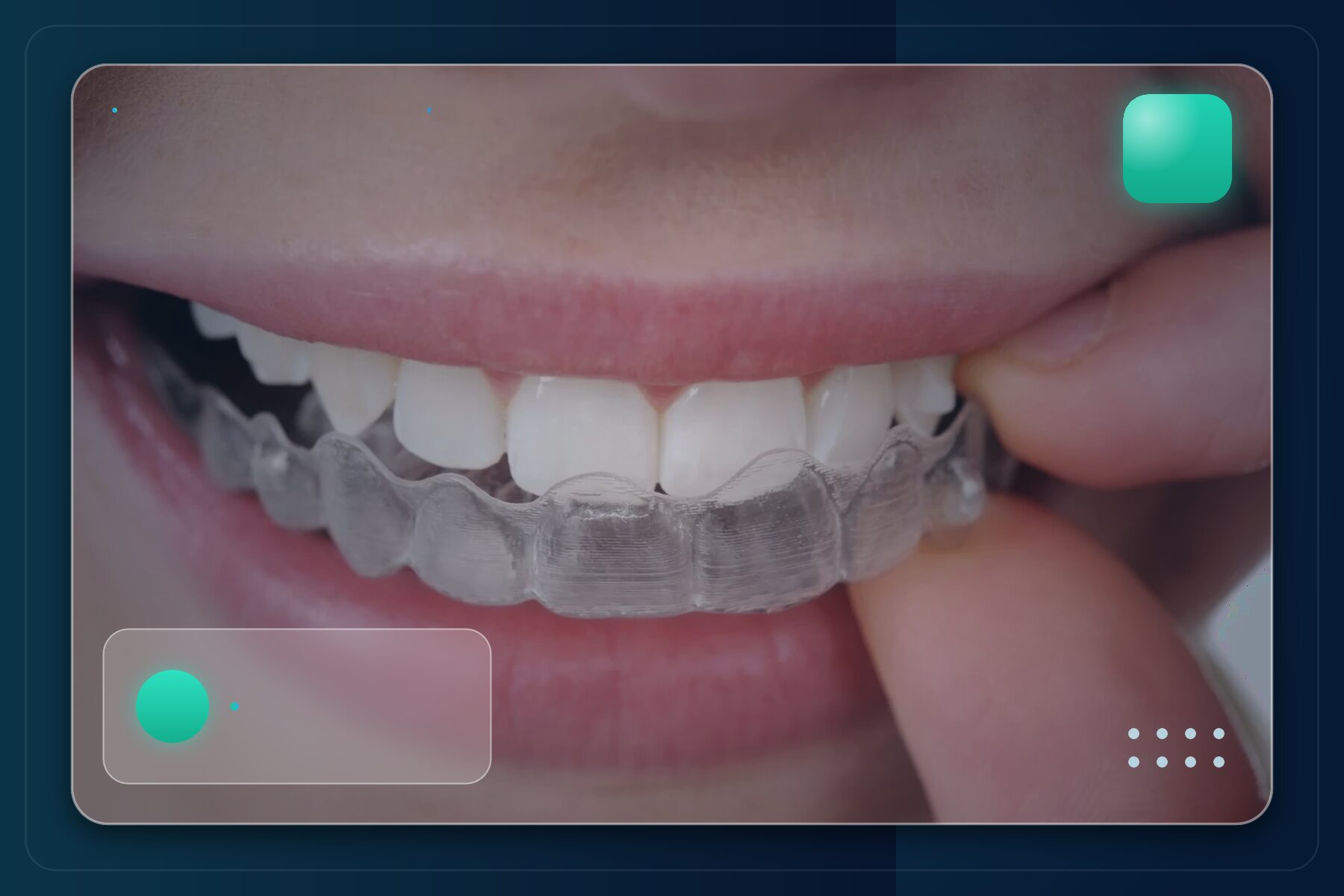
Clear aligners are custom-made transparent trays that move the teeth step by step. They are almost invisible and can be removed for eating and brushing. To work, they need to be worn for 20–22 hours a day.
Metal and Clear (Ceramic) Braces
Conventional braces give extensive control over complex tooth movements. Tooth-coloured ceramic brackets are an option for those who want them to be less noticeable.
Which option suits you depends on your teeth, your expectations and the treatment goal, and is decided after an examination.
How Long Does Treatment Take?
It depends on the complexity. Mild crowding can be corrected in a few months, while comprehensive cases may take one to two years or longer. The exact duration is set after examination and digital planning.
After Treatment: Retainers Are Essential
Teeth tend to drift back towards their old positions after treatment. That is why a retainer is fitted at the end: a thin wire bonded behind the teeth and/or a clear tray worn at night. Long-term, consistent use is needed to keep the result.
During Treatment
- Take extra care with oral hygiene; brackets and aligners trap plaque easily.
- If you wear aligners, always brush before putting them back in.
- Drink only water while wearing aligners.
- Avoid hard and sticky foods, which can break brackets.
- Keep your check-up appointments.
Adult Orthodontics at Defne Prime Dent
At our clinic in Ataşehir, Istanbul, orthodontic treatment is planned digitally after assessing gum health and existing restorations. Contact us to learn about aligner and brace options and to book an examination.
Frequently Asked Questions
Up to what age can you have braces?
There is no specific upper age limit. What matters is the health of your gums and bone, not your age.
Can clear aligners treat every case?
Many crowding and spacing problems can be treated with aligners. Some complex cases are better suited to braces or a combined approach.
Is adult orthodontic treatment painful?
You may feel pressure and tenderness for a few days after switching to a new aligner or after a brace adjustment; this usually passes quickly.
Can I have braces if I have a dental implant?
Yes, but implants cannot be moved. Treatment is planned around the implant's position, and the other teeth are usually aligned relative to it.
This article is for general information only and does not replace an examination. Please consult your dentist for advice specific to you.