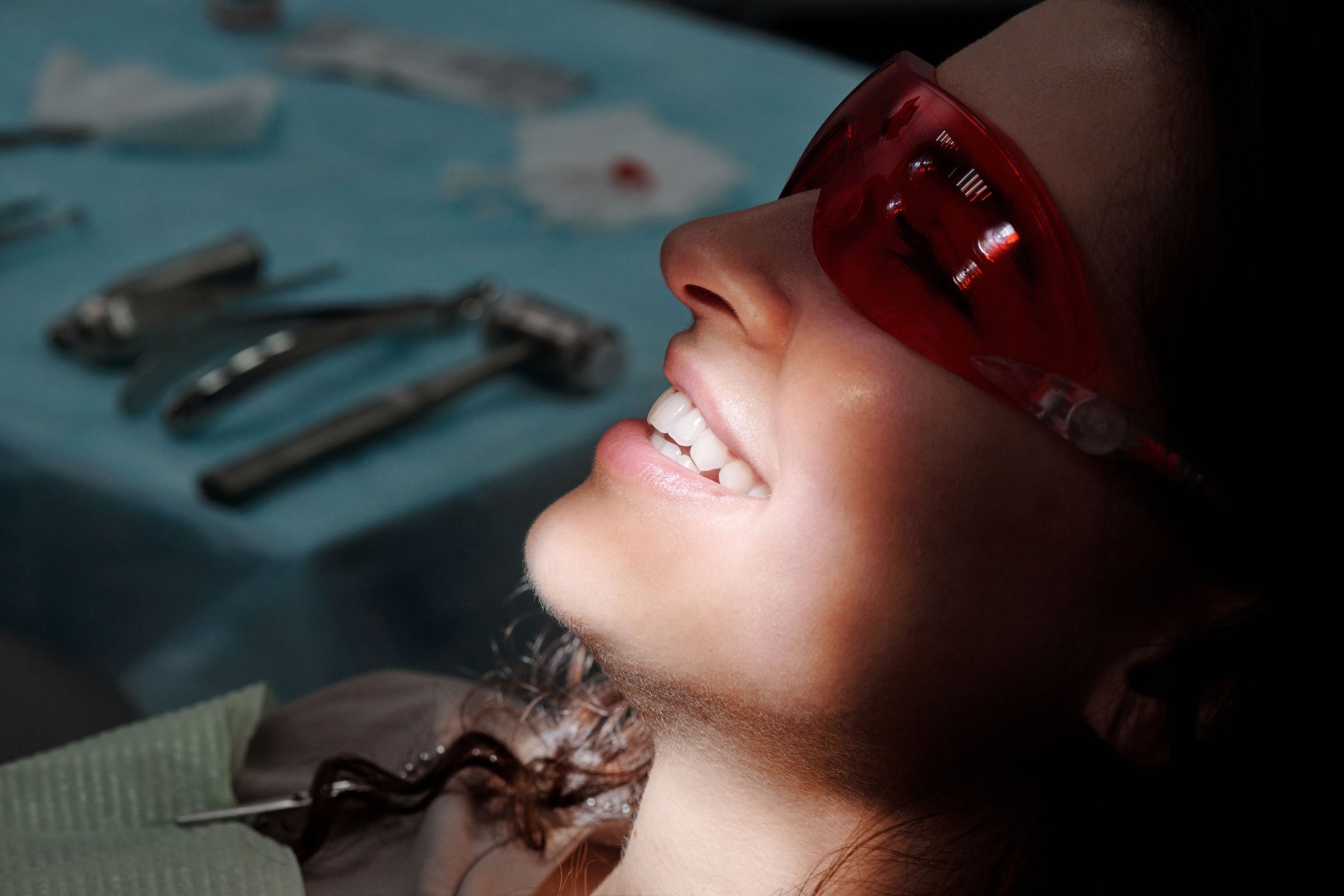
Dental implant recovery is one of the topics patients research most before deciding on treatment. Knowing what to expect in the first days, how long healing takes and how to look after your implant helps you plan work, travel and daily life around the procedure.
Recovery is different for every patient. It depends on the number of implants, whether bone grafting or a sinus lift was needed, your general health and how closely aftercare instructions are followed. This guide explains the typical stages of healing at Defne Prime Dent in Ataşehir, Istanbul, and the signs that mean you should contact your dentist.
What Happens During Implant Healing?
A dental implant is a small titanium post placed in the jawbone to replace the root of a missing tooth. After placement, the bone gradually bonds to the implant surface. This process is called osseointegration, and it is what gives an implant its long-term stability. The crown, bridge or denture is attached once this bond is strong enough.
Healing therefore has two parts: the soft tissue (gums) usually settles within one to two weeks, while bone integration takes several months.
Dental Implant Recovery Timeline
| Period | What to expect |
|---|---|
| First 24–72 hours | Mild pain, oozing and swelling that peaks around day two or three; cold compresses and soft foods |
| Week 1–2 | Swelling and tenderness settle; stitches are usually checked or removed |
| Month 2–6 | Osseointegration; the exact time depends on bone quality and whether the upper or lower jaw was treated |
| After integration | The final crown, bridge or denture is fitted, followed by regular check-ups |
The First Days After Surgery
- Bleeding: Bite gently on the gauze for 30–45 minutes. Light pink saliva on the first day is normal. Avoid spitting and vigorous rinsing so the blood clot can form.
- Swelling: Apply a cold compress to the outside of the cheek for 10–15 minutes at a time during the first day. Sleeping with your head slightly raised can help.
- Pain relief: Take the medication your dentist recommends exactly as prescribed. If antibiotics were prescribed, complete the course.
- Rest: Avoid strenuous exercise for the first two to three days, as it can increase bleeding and throbbing.
What Can You Eat After a Dental Implant?
Do not eat until the local anaesthetic has fully worn off. For the first few days, choose lukewarm or cold soft foods such as yoghurt, soup, mashed vegetables and scrambled eggs, and chew on the opposite side. Avoid very hot, hard, crunchy or spicy food, and do not use a straw on the first day. Your dentist will tell you when you can return to a normal diet, which depends on healing and the type of restoration planned.
Oral Hygiene During Recovery
Keep brushing your other teeth from the first day, avoiding the surgical site. From the next day, rinse gently with the mouthwash or warm salt water your dentist recommends. Once the stitches are removed, start cleaning around the implant carefully with a soft brush. Good hygiene is the most effective way to reduce the risk of infection.
Smoking, Alcohol and Exercise
Smoking reduces blood flow to the gums and can delay healing and weaken implant integration. Ideally, stop smoking for several weeks before and after surgery. Avoid alcohol while taking medication and during early healing. Light walking is usually fine, but ask your dentist before returning to intense or contact sports.
When Should You Contact Your Dentist?
- Bleeding that does not stop with firm pressure
- Pain or swelling that gets worse after the third day instead of improving
- Fever, a bad taste, pus or an unpleasant smell from the area
- Numbness that does not wear off
- A feeling that the implant or healing cap is loose
Travelling After Implant Surgery
Many of our patients travel to Istanbul for treatment. Flights are usually possible within a few days after a single, uncomplicated implant, but after more extensive surgery, bone grafting or a sinus lift your dentist may recommend waiting longer. Treatment is typically planned in stages, with implant placement on one visit and the final teeth fitted on a later visit after integration. Timing should always be discussed with your treating dentist.
Long-Term Implant Care
Implants cannot decay, but the gum and bone around them can become inflamed if plaque builds up. This condition, called peri-implantitis, can lead to implant loss if it is not treated. Brush twice a day, clean around the implant with interdental brushes or floss, wear a night guard if you grind your teeth, and attend check-ups and professional cleanings every six months.
Dental Implant Treatment at Defne Prime Dent
At our clinic in Ataşehir, Istanbul, implant treatment starts with a clinical examination, 3D imaging and digital planning, and every patient receives written aftercare instructions and scheduled follow-up visits. Learn more about our dental implant treatment and implant procedures, read what happens during the first examination, or contact us for a personal assessment.
Frequently Asked Questions
How long does dental implant recovery take?
Most patients feel comfortable within a few days, and the gums usually heal within one to two weeks. Bone integration generally takes two to six months, depending on bone quality, the location of the implant and whether additional procedures were performed.
Is it normal to have swelling after an implant?
Yes. Mild to moderate swelling is common and usually peaks on the second or third day before settling. Cold compresses during the first day help to limit it.
When can I go back to work?
After a single implant, many people return to desk work the next day. After multiple implants or bone grafting, a few days of rest may be needed. Physically demanding jobs may require a longer break.
Can I eat normally after an implant?
Not immediately. Stick to soft foods for the first few days and avoid chewing on the implant side. Your dentist will advise when you can return to your normal diet.
Do implants need long-term maintenance?
Yes. Daily brushing, cleaning between teeth and regular professional check-ups are essential to keep the gum and bone around the implant healthy.
This article is for general information only and does not replace a clinical examination. Your dentist will give you aftercare instructions tailored to your treatment.