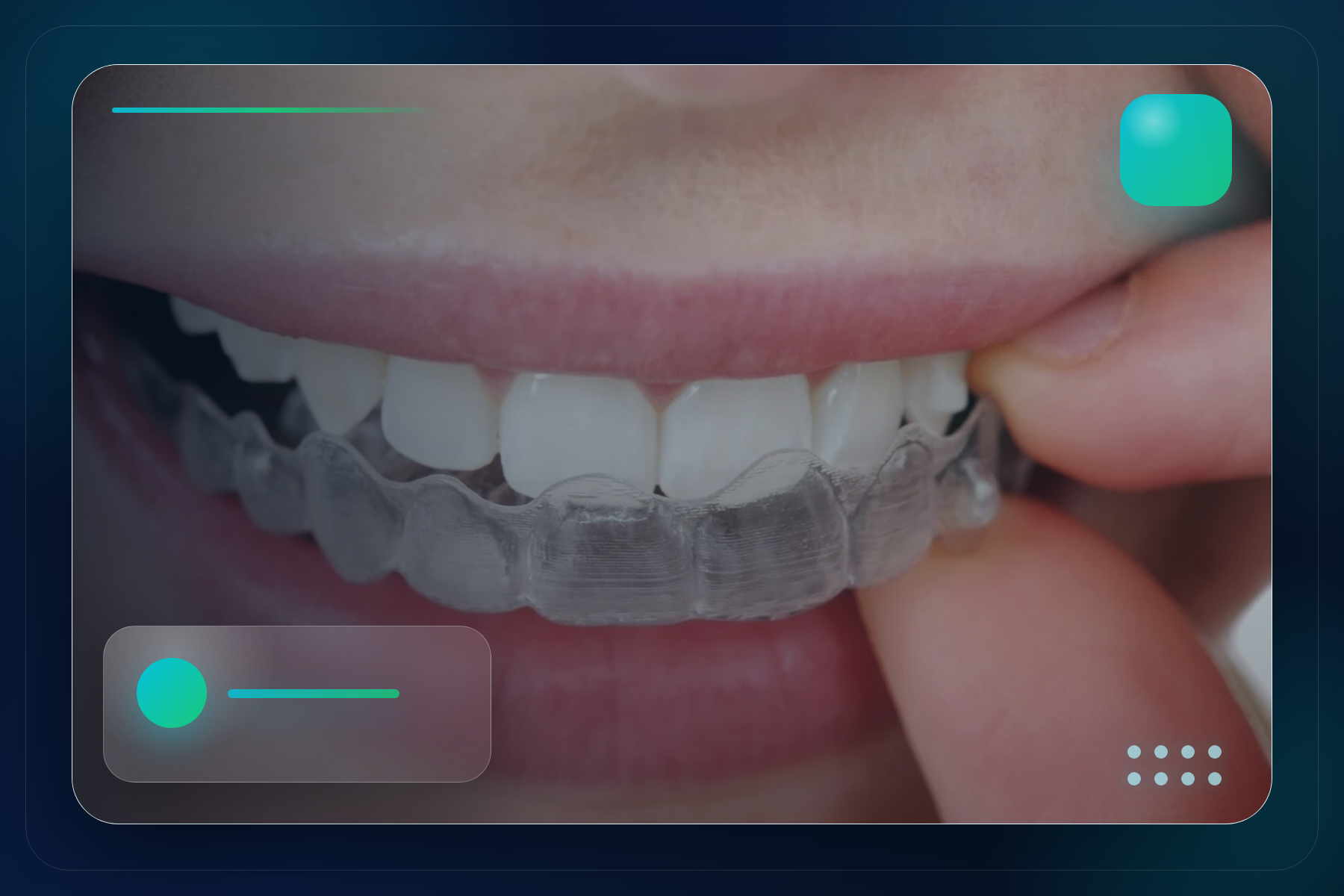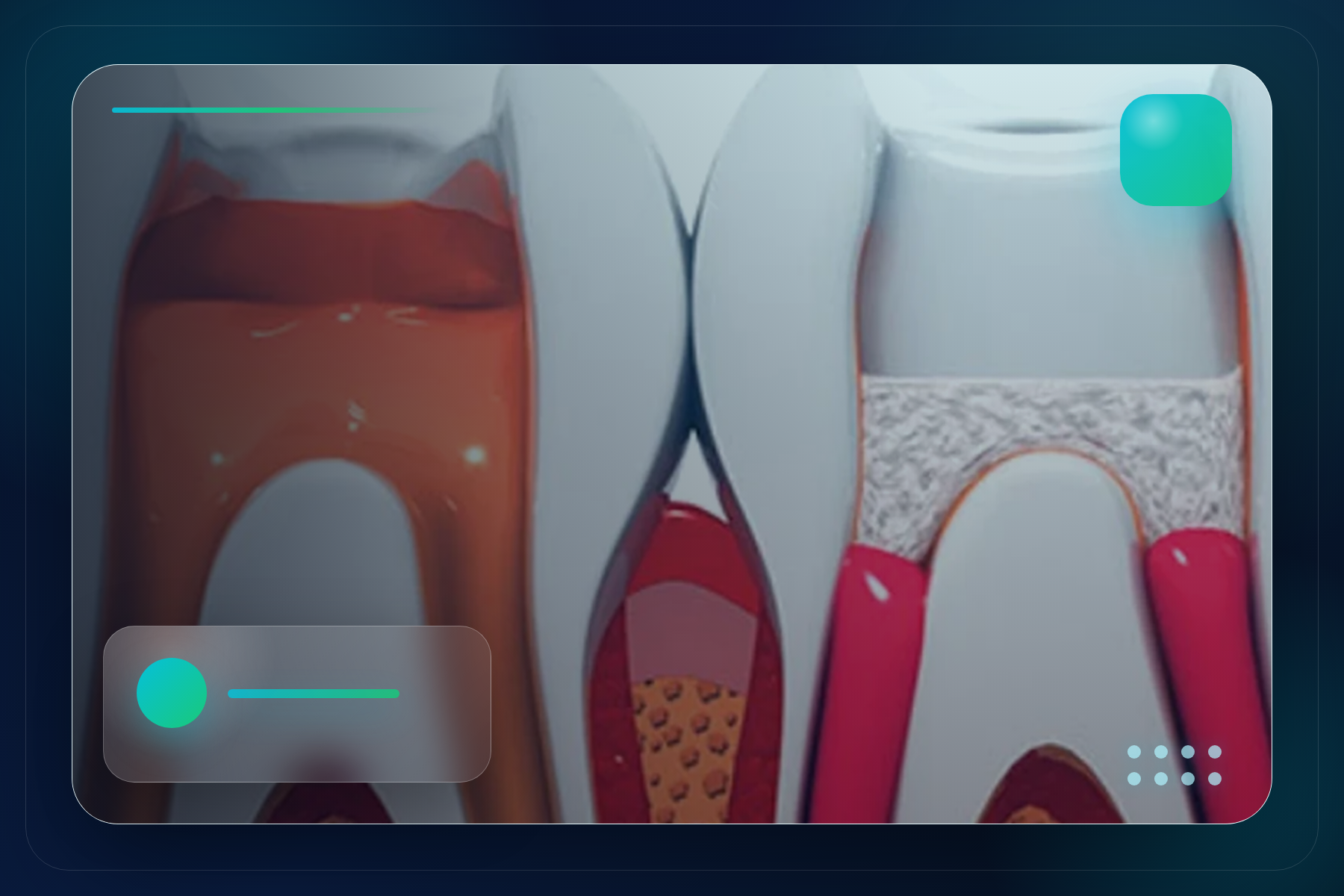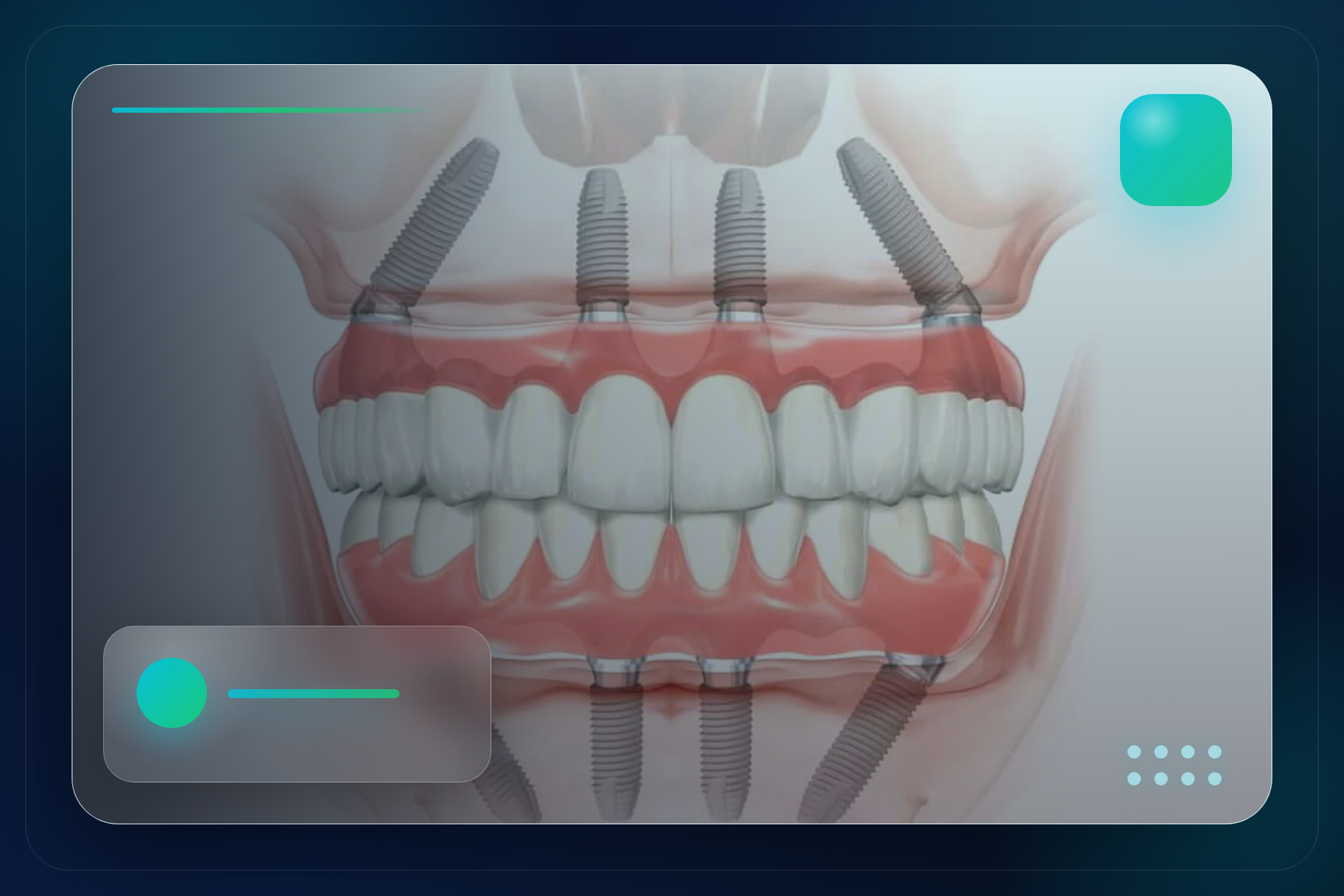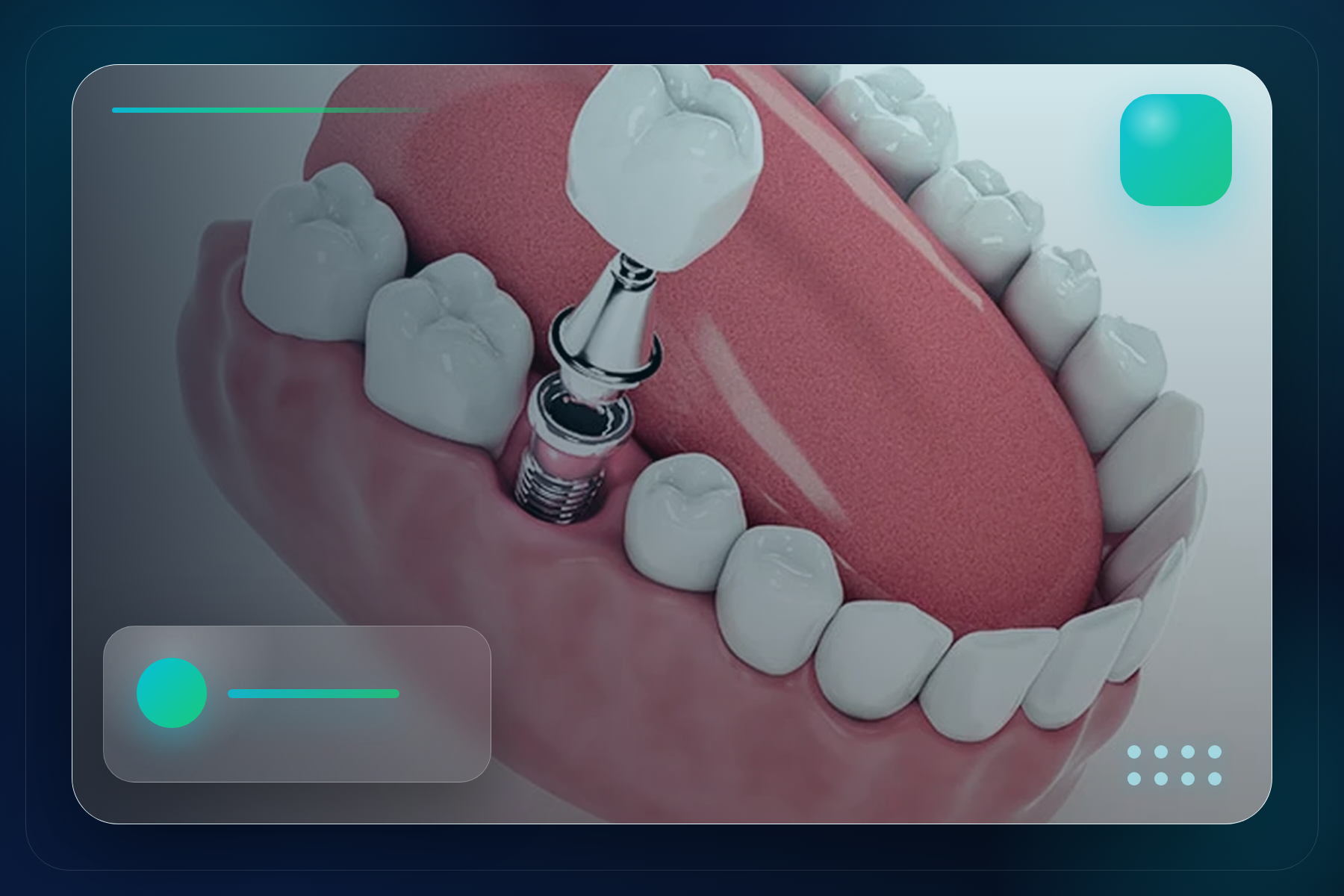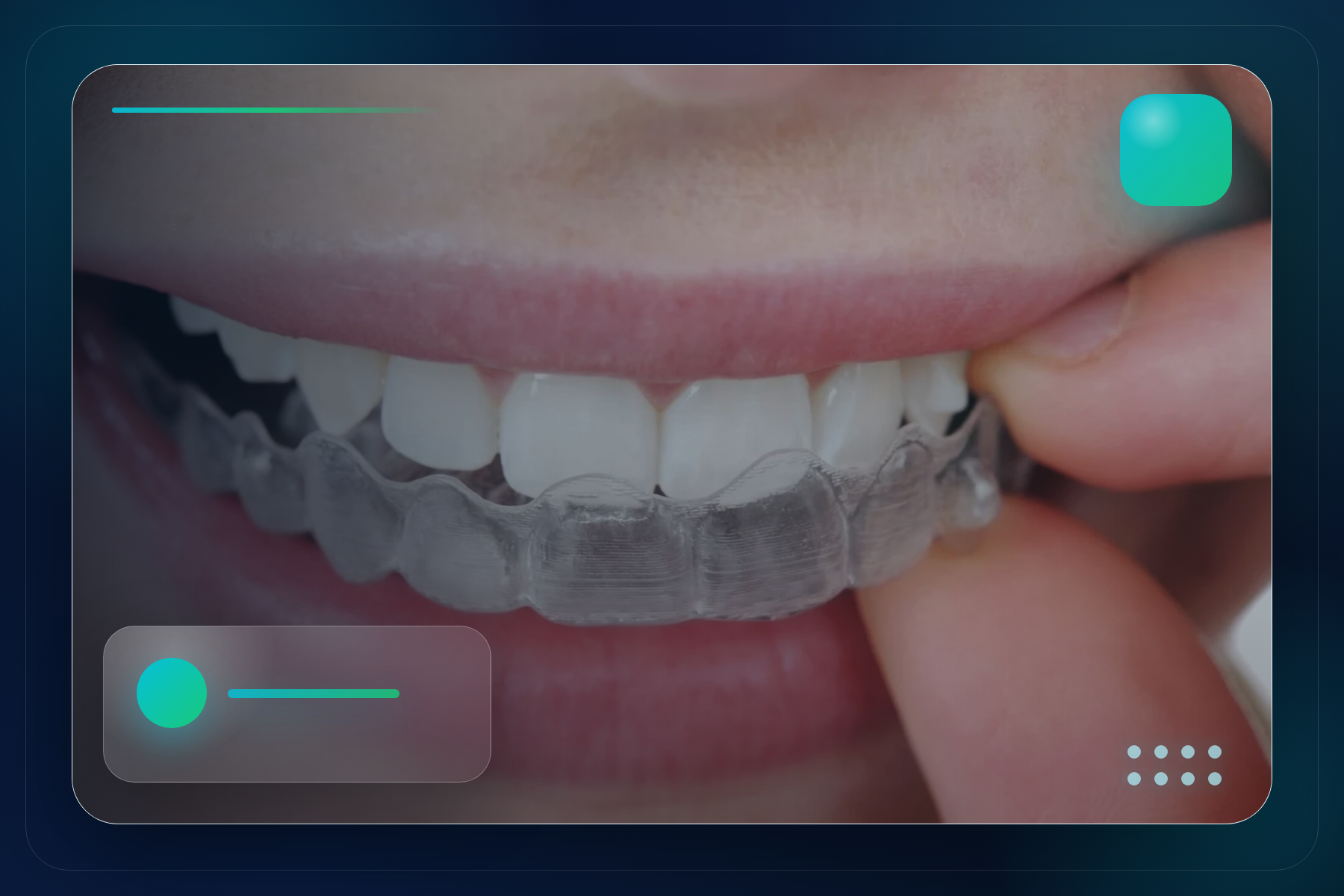
The goal of orthodontic treatment is not only to straighten teeth; chewing balance, bite relationship, and oral function are also evaluated together. For that reason, whether clear aligners or braces are used is planned differently for each patient.
Clear aligner treatment is often preferred by adults and patients who are sensitive about appearance in social settings because it is more aesthetic and removable. However, not every crowding case can be solved with aligners alone.
In which cases do braces provide an advantage?
Fixed orthodontic treatment may be more suitable when the teeth are severely crowded, when there are issues affecting jaw relationship, or when more controlled tooth movement is needed. In some patients, functional orthopedic treatment may also be added to the plan.
For the right decision, clinical examination, photographs, impressions, and, if needed, radiographic analyses are evaluated together. Treatment duration, compliance with care, and aesthetic expectations are also important parts of this decision.
The best result is achieved with the method chosen according to the patient’s lifestyle and the needs of the case. In orthodontics, therefore, there is no single correct method, only the right plan for the right patient.
Frequently asked questions
What is the first step before making a decision?
The first step is to evaluate tooth structure, gum health, bite relationship and aesthetic expectations together. Online information can guide you, but the correct treatment plan should be confirmed after examination.
Is the same method used for every patient?
No. Even under the same treatment topic, material choice, timeline, treatment sequence and expected result can change from patient to patient. Defne Prime Dent focuses on personalized planning instead of standard packages.
Note: This article is for general information. A clinical assessment is needed to define the most suitable option for you.