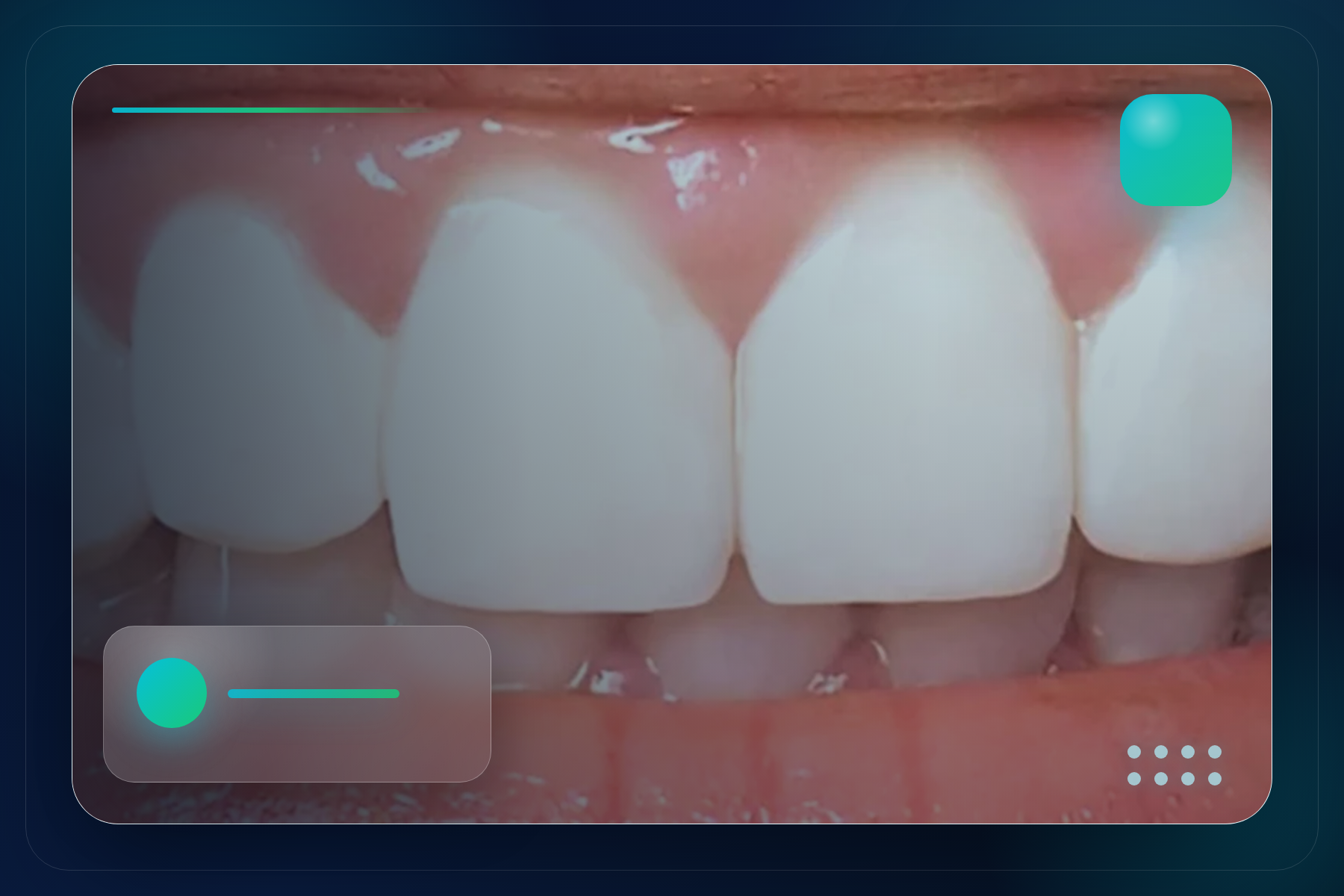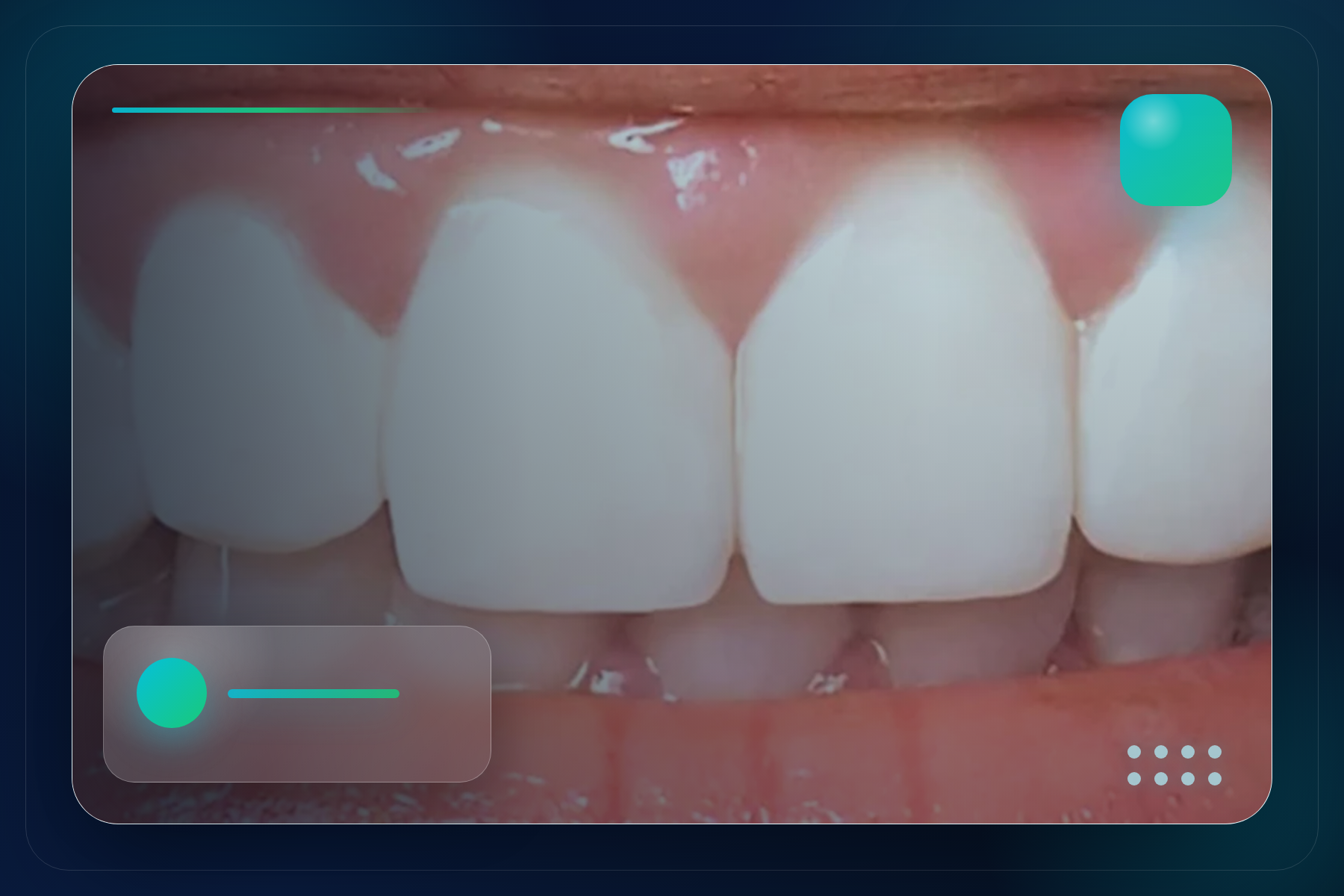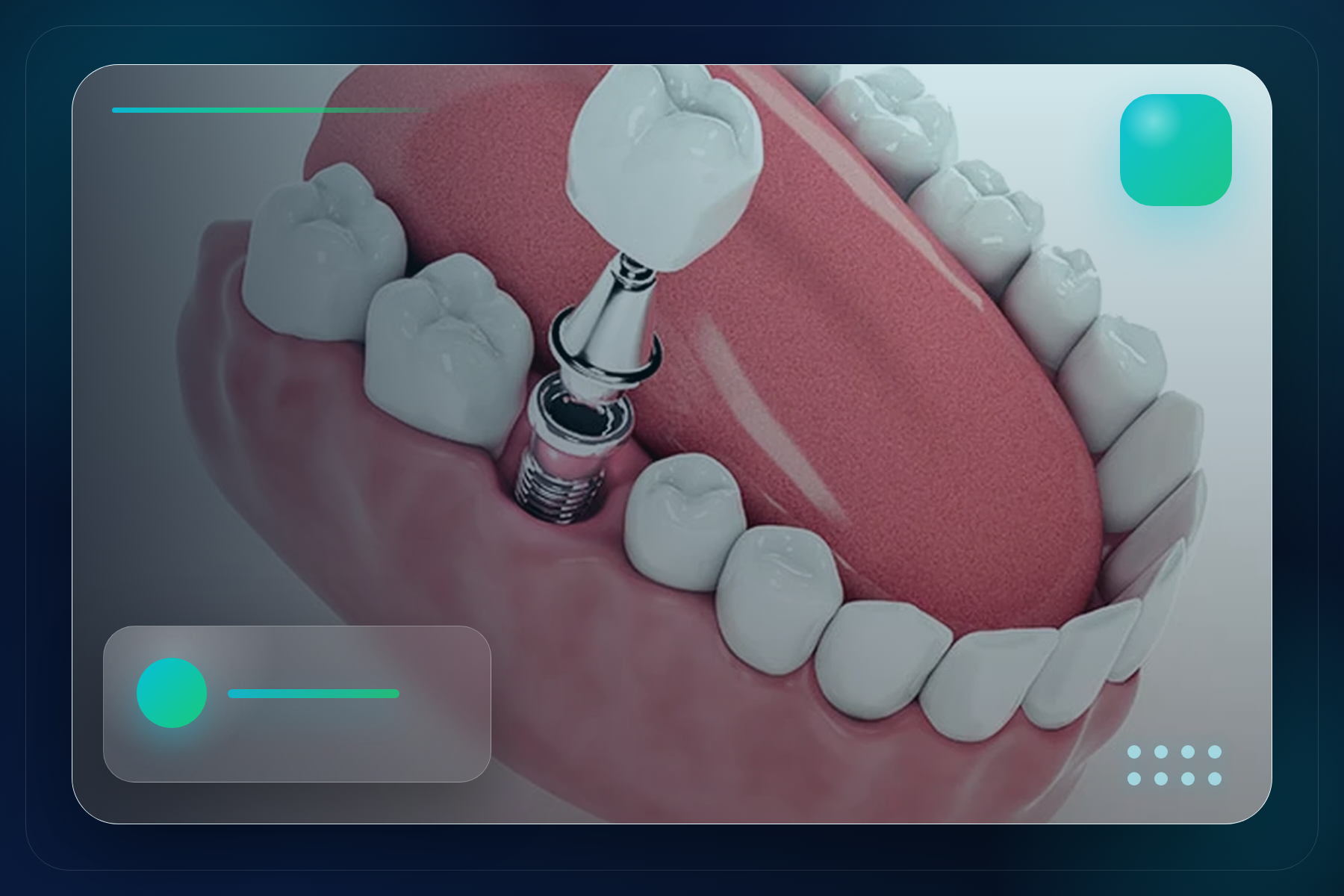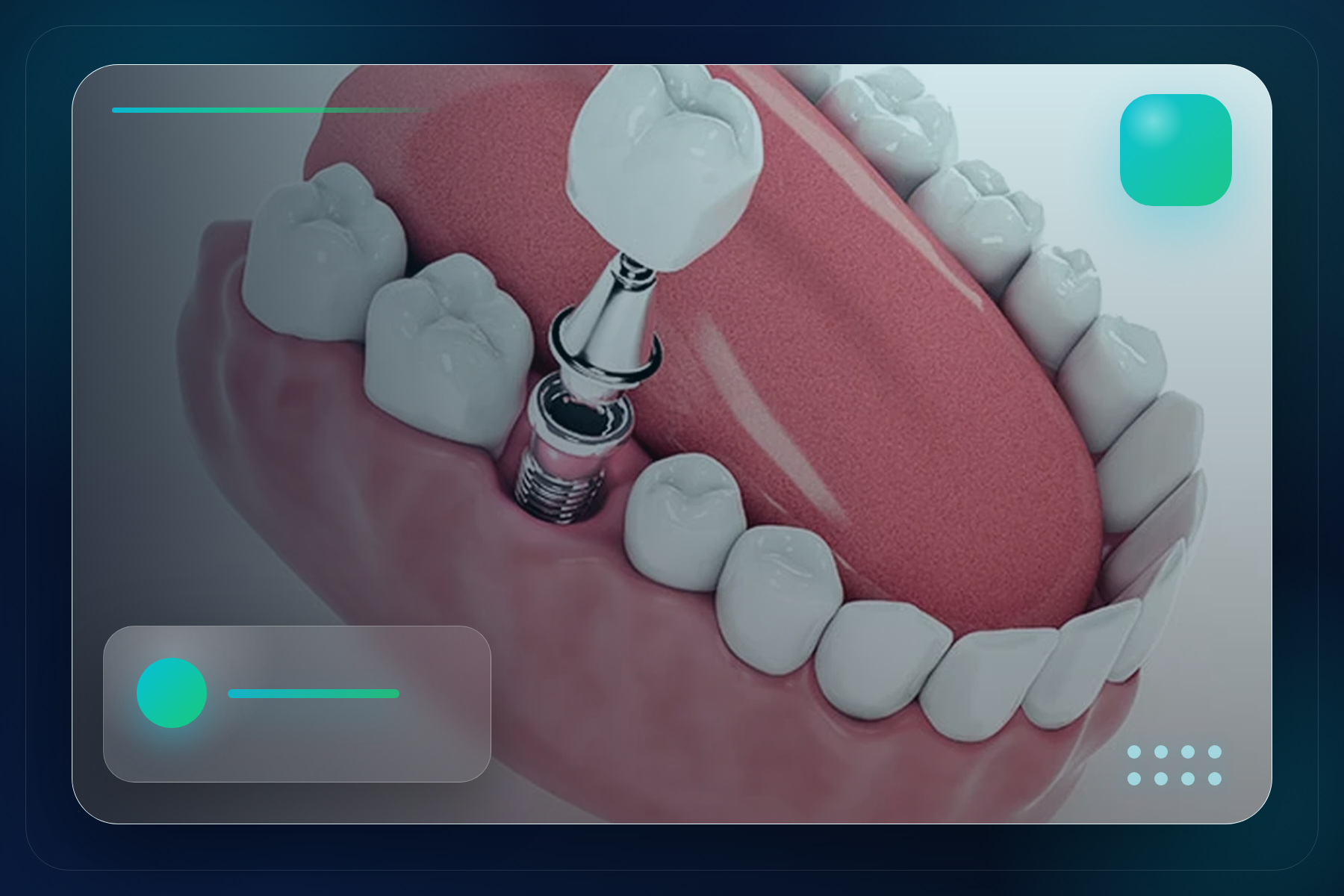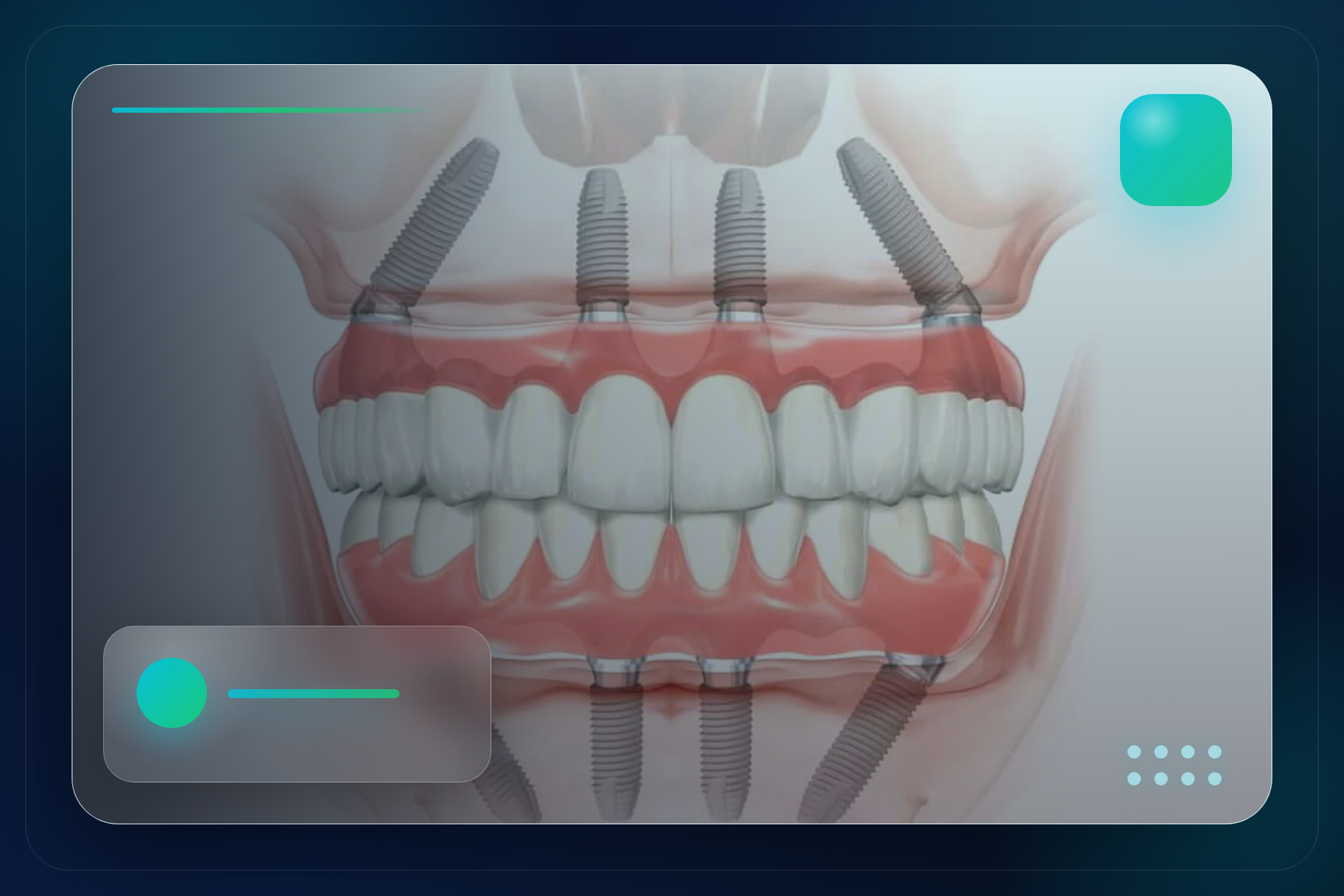
All-on-4 implant treatment is planned for patients who have lost all teeth in one jaw, have advanced tooth loss, or cannot use removable dentures comfortably. The aim is not only to replace missing teeth, but also to rebuild chewing function, lip support, speech comfort and smile aesthetics in one controlled plan.
What does All-on-4 mean?
All-on-4 describes a fixed prosthetic plan supported by four implants in one jaw. The number of implants is only one part of the treatment; implant position, bone quality, gum condition and prosthetic design determine the long-term comfort of the result.
Who can be a candidate?
Patients with full tooth loss, unstable removable dentures, or teeth that cannot be maintained may be evaluated for this approach. Suitability must be confirmed with clinical examination and three-dimensional imaging because each jaw structure is different.
How is the process planned?
Planning begins with bone analysis, bite evaluation and smile design. In suitable cases, temporary fixed teeth may be prepared after surgery, while the final prosthesis is produced after the tissues heal and the bite becomes stable.
Why Defne Prime Dent?
At Defne Prime Dent, All-on-4 is treated as a complete oral rehabilitation process. Surgical planning, prosthetic design and laboratory production are coordinated to support a natural-looking and sustainable result.
- Bone volume and implant angles are evaluated before treatment.
- The prosthesis is designed according to chewing force and smile line.
- Temporary and final teeth are planned separately when needed.
- Long-term success depends on hygiene, follow-up and balanced bite contacts.
Frequently asked questions
Can All-on-4 be applied to everyone?
No. General health, bone support, gum condition and oral hygiene habits must be evaluated before deciding.
Are fixed teeth placed immediately?
In selected cases, temporary fixed teeth may be placed early. This depends on implant stability and clinical findings.
Note: This article is for general information. A personalized treatment plan requires a clinical examination.